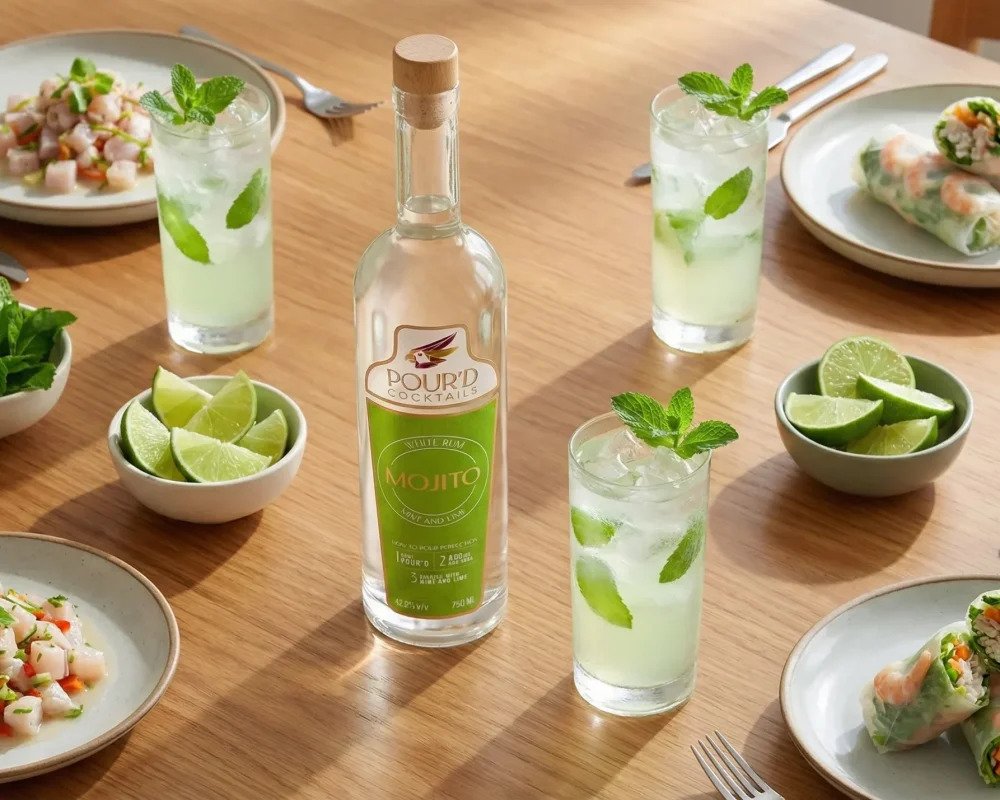
At a time when India’s premium alco-beverage segment is witnessing strong growth and cocktail culture is rapidly evolving among younger consumers, Pour’d Cocktails, an Indian ready-to-serve cocktail brand from Raise The Bar Consumer Brands, offers an interesting perspective on how convenience, premiumization, flavor-forward drinking, and experiential consumption are shaping the future of the category.

Founded in 2024 by industry professionals from Bacardi, Red Bull, Reckitt, L’Oréal, McKinsey & Company, and Colgate-Palmolive, Pour’d Cocktails has since sold over 20,000 bottles, a milestone driven by organic adoption and consumer repeat purchases in its primary market, Goa.
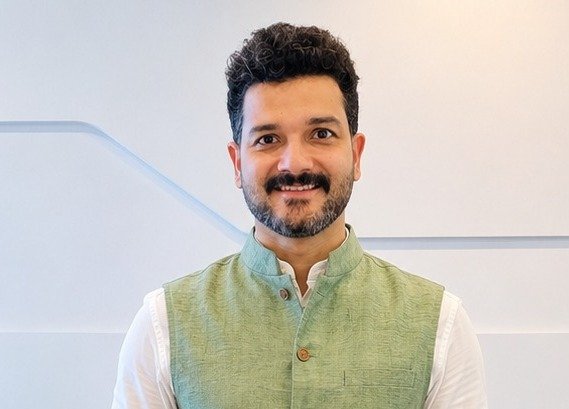
According to Nakul Banga, co-founder of Pour’d Cocktails, tracking the total number of bottles sold was never the core metric for the founding team. “The numbers that mattered most focused on repeat velocity. When consumers discovered the brand at a gathering and subsequently sought it out at retail, it validated that the product was addressing a structural consumer pain point. What makes the traction notable is that this volume was generated almost entirely within a single state market, pointing to strong localized brand depth before broader national expansion,” he said.
This localized success takes place against a backdrop of macro-industrial acceleration. India’s alcoholic beverage industry is one of the fastest-growing globally. Within this landscape, the ready-to-drink (RTD) and ready-to-serve segments are expanding rapidly due to accelerating urbanization, a growing legal-drinking-age demographic, and rising disposable incomes. Modern urban consumers are refusing to trade off between flavor, convenience, and quality, establishing a multi-variable standard that Pour’d was engineered to meet.
Speaking on the launch, Banga commented, “The initial market opportunity came from a clear friction point in domestic consumption. While cocktails rank among the most frequently ordered beverages in standard hospitality venues across India, replicating that exact mixology experience at home required multiple spirit bottles, specialized mixers, fresh garnishes, and baseline technical skills. Even with those elements present, consistency remained highly variable.”
The market gap for cocktails
He observed a sharp digital-to-physical disconnect in consumer convenience, noting that while India has over 600 million smartphone users capable of executing complex financial or logistical tasks in seconds, preparing a premium cocktail at home remained a friction-heavy, 45-minute project. The brand’s objective was not to disrupt established cocktail culture, but to lower the operational barriers preventing mainstream consumer participation.
Executing this strategy within India’s regulatory ecosystem, however, introduces acute operational complexities. Building the brand required running three distinct corporate disciplines in parallel — product formulation, supply chain distribution, and foundational consumer education.
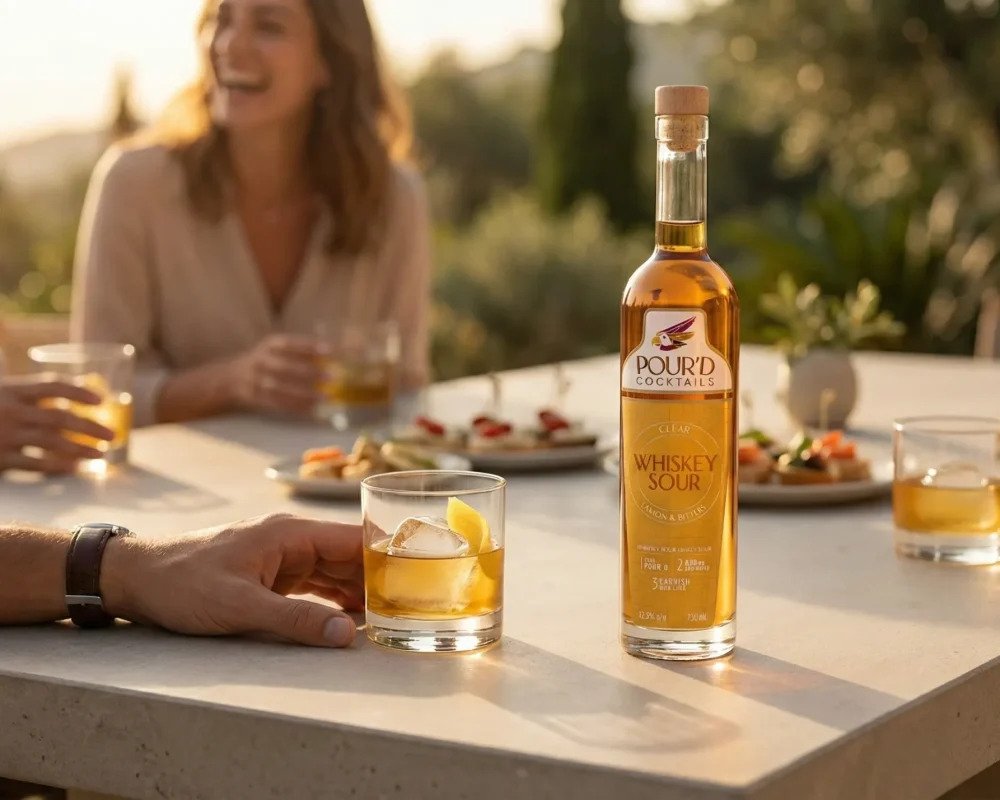
Banga says India does not function as a single consolidated national market, instead, it comprises independent territories, each dictated by its own complex excise policies, state pricing controls, and distinct licensing frameworks. To overcome the challenges of introducing a completely unfamiliar liquid format to consumers, the company has leaned heavily on liquid-to-mouth conversion. Once a consumer samples the product, structural explanations become secondary to the sensory experience, creating a strong customer lifetime value loop.
Market and consumption behavior
Faced with structural advertising restrictions typical of the Indian alcobev market, premium retail networks have emerged as the primary vehicle for brand discovery and education. India houses roughly 70,000 licensed liquor retail outlets, and within premium urban corridors, store operators and floor staff exert significant influence over final basket composition. The brand has used direct store-floor feedback to map consumer anxieties, vocabulary, and purchasing triggers. For a brand operating without legacy corporate marketing budgets, securing specialized shelf placement and retailer alignment has proven structurally superior to conventional media campaigns.
Banga emphasized, “This retail shift aligns closely with a broader premiumization wave sweeping through Indian spirits. The overarching consumer calculus has transitioned away from basic availability toward value justification. While India remains one of the largest global whisky markets by volume, its premium and ultra-premium segments are currently expanding at nearly double the rate of standard value segments.”
Data from the International Wines and Spirits Record (IWSR) confirms that value growth is consistently outperforming volume growth across Indian spirits. Younger cohorts are drinking less frequently in terms of pure volume but are spending significantly more per consumption occasion, showing a clear preference for craft formats and complex profiles over bulk categories.
“This behavioral pivot is particularly visible among Gen Z and younger millennial demographics, who demonstrate low attachment to rigid spirit categories. These consumers frequently move between distinct beverage formats based strictly on occasion and emotional context, showing far lower baseline brand loyalty than older generations,” he said.
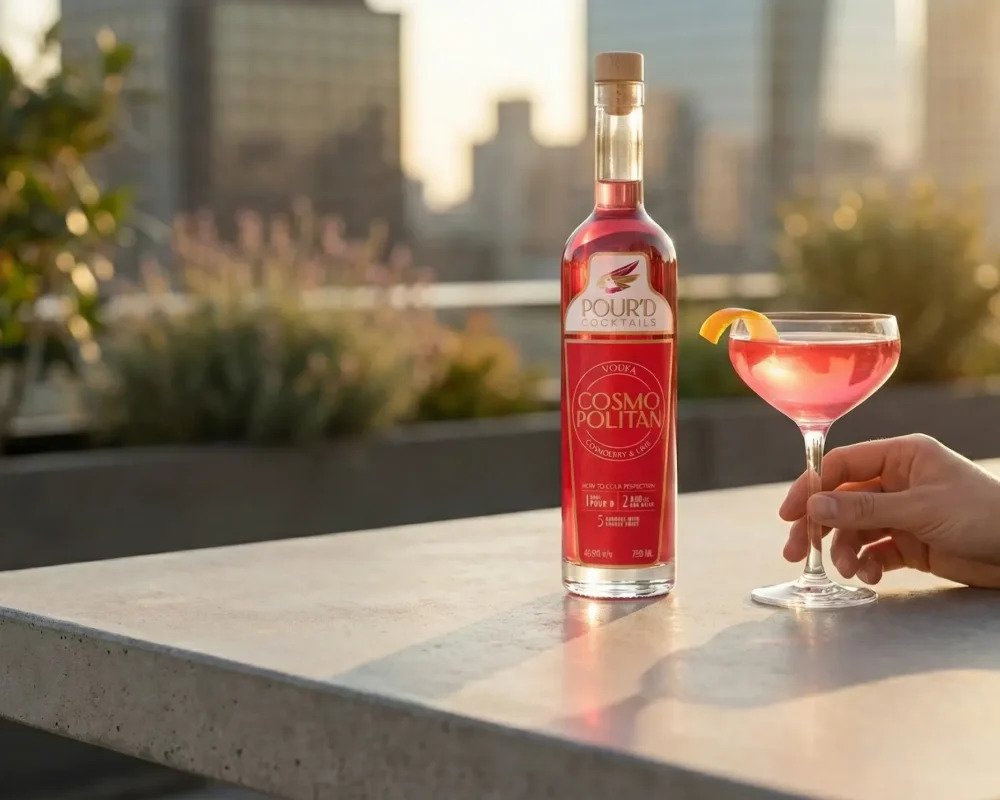
Peer recommendations, digital discovery, and immediate ambient mood dictate purchase choices far more than legacy marketing frameworks. Global and domestic data indicates that while Gen Z displays lower overall consumption frequency, their per-occasion spend is highly elevated. Tailored cocktails are structurally positioned to capture this shift due to their inherent social signaling and experiential nature.
“The broader on-demand economy has also reset baseline expectations for home hosting. Consumers who routinely expect restaurant-grade food delivery to their doorstep within short windows apply identical standards to home beverage experiences. Ready-to-serve formats resolve this by decoupling premium execution from manual preparation, preserving the hospitality experience without the operational friction,” he explains.
Scaling an alcobev startup across retail, hospitality, and experiential channels requires managing highly divergent operational models. Retail demands high visual shelf prominence and rapid conversion within a three-second consumer consideration window. Hospitality requires deep integration into curated menus and bartender alignment. The brand learned early on that strategies could not be copied blindly from one channel to another. Successful scaling requires remaining close to actual consumer touchpoints rather than relying on boardroom assumptions.
RTD and RTS growth structure
For him, looking toward the next five years, the trajectory points toward deeper mainstream normalization. Cocktails have steadily transitioned out of traditional bar environments into home parties, weddings, and corporate gatherings.
“With the global RTD and RTS market expected to scale past US$ 40 billion by 2027, and the Asia-Pacific region serving as a primary growth engine, India sits at the early phase of an extended growth runway. The category’s evolution will likely be driven by geographic expansion, continuous flavor innovation, and deeper penetration into mainstream retail channels,” Banga said.
Reflecting on the transition from leading global corporate brands to scaling an early-stage startup, he notes that the market remains the ultimate arbiter of value. “Founders can dedicate quarters to corporate strategy and brand architecture, but real-world validation occurs entirely on the retail floor when a consumer interacts with the physical bottle. Ultimately, consumers are indifferent to operational effort; they care exclusively about the quality of the liquid in front of them, making constant market listening the most critical discipline for any founder in the space,” he concluded.
IndiFoodBev — authentic, impactful and influential
An English-language food and beverage processing and packaging industry B2B platform in print and web, IndiFoodBev is in its third year of publication. It is said that the Indian food and beverage industries represent approximately US$ 900 billion in revenues which implies more than 20% of the country’s GDP. Eliminating the wastage on the farmside can help to deliver more protein to a higher number of the population apart from generating sizable exports. The savings in soil, seeds, water, fertilizer, energy and ultimately food and nutrition could be the most immense contribution that country is poised to make to the moderation of climate change.
To improve your marketing and grow sales to the food and beverage processing and packaging industry, talk to us. Our research and consulting company IppStar [www.ippstar.org] can assess your potential and addressable markets in light of the competition. We can discuss marketing, communication, and sales strategies for market entry and growth.
Suppliers and service providers with a strategy and budget for targeted marketing can discuss using our hybrid print, web, video, and social media channels to create brand recognition linked to market relevance. Our technical writers are ready to meet you and your customers for content.
The second largest producer of fruit and vegetables in the world is continuously expanding processing capacities and delivery systems with appropriate innovative technologies. We cover product and consumer trends, nutrition, processing, research, equipment and packaging from farm to thali. Get our 2025 media kit and recalibrate your role in this dynamic market. Enhance your visibility and relevance to existing markets and turn potential customers into conversations. Ask for a sample copy of our bi-monthly in print or our weekly IndiFoodBev eZine each Wednesday.
For editorial info@ippgroup.in — for advertisement ads1@ippgroup.in and for subscriptions subscription@ippgroup.in
Naresh Khanna – 10 February 2025
Subscribe Now