AGI Greenpac, an Indian packaging solutions provider, is entering the high-growth aluminium can market with an investment of approximately Rs 1,200 crore to set up a facility in Uttar Pradesh. This plant is on track to commence operations by October 2027.
Rajesh Khosla, CEO, AGI Greenpac, told IndiFoodBev that the expansion is a significant milestone that diversifies its revenue stream and allows it to respond to the growing demand for beverages and beer in sustainable metal packaging.
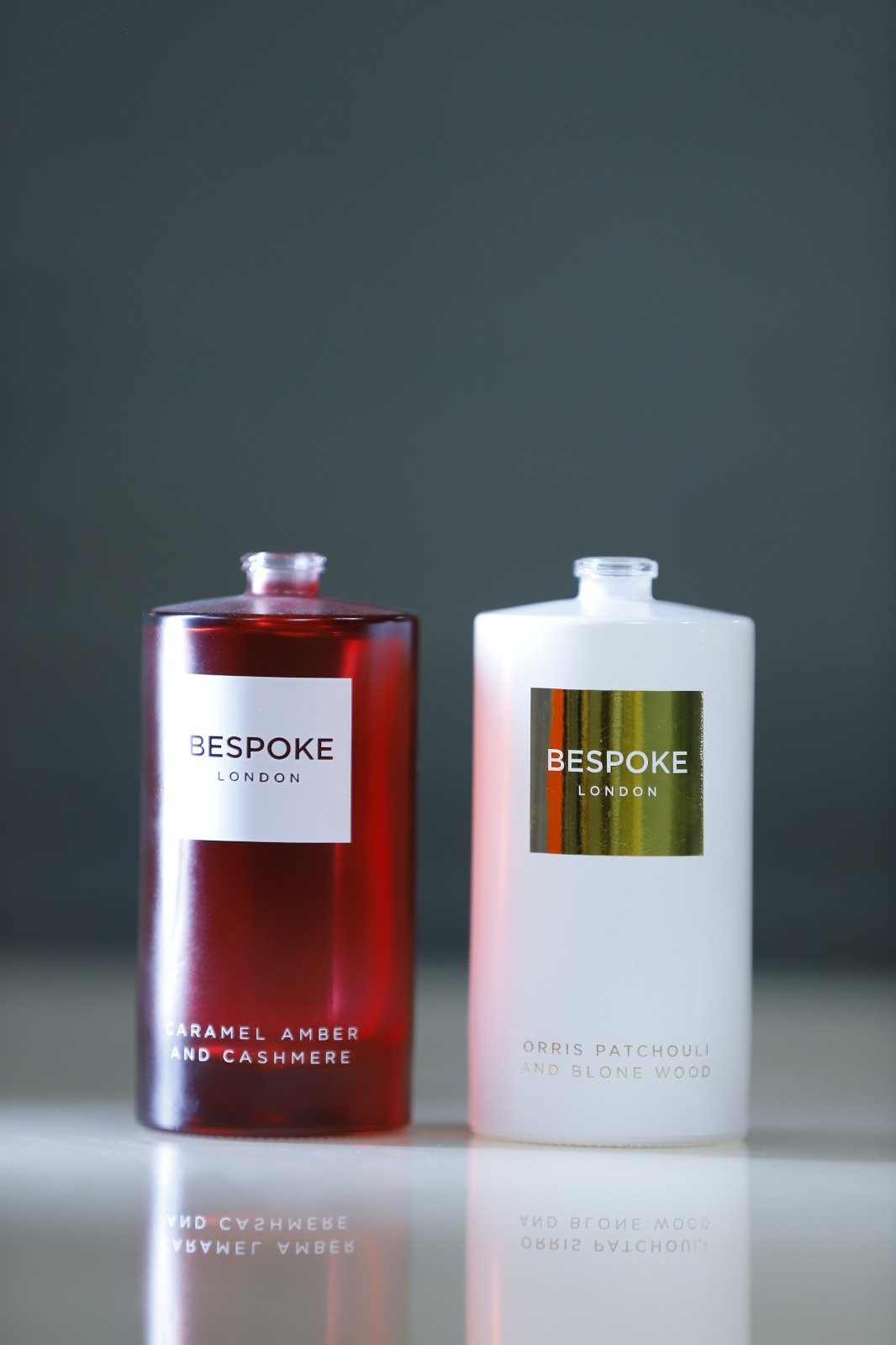
Simultaneously, it has approved an investment of Rs 700 crore for a new specialty glass manufacturing plant in Madhya Pradesh to focus on high-value segments, including cosmetics and perfumes, building on its existing expertise in specialty glass for pharmaceuticals and premium spirits. Commercial production is expected to begin within 24 months of February 2026.
The expansion complements its existing portfolio of glass containers and PET bottles, creating a comprehensive multi-substrate offering. Khosla says that Indian packaging manufacturers are currently navigating a dual challenge — rising raw material and energy costs driven by global inflation, alongside the need for capital-intensive sustainability upgrades. “However, the market remains resilient, and sustainability should not be viewed as a cost burden. Instead, it is increasingly becoming a driver of operational efficiency and long-term competitiveness.”
On who will absorb the cost of sustainability, he remarked, “Packaging manufacturers will absorb a significant part of it through process optimization, energy efficiency, higher cullet usage, and lightweighting. These will reduce operating costs over time. Brands, on the other hand, will increasingly invest in sustainable packaging. And finally, consumers may absorb a marginal premium but only when sustainability is backed by visible values such as better design, recyclability, and responsible sourcing.”
Technology is fundamentally reshaping manufacturing, and in packaging, the adoption of advanced systems is transforming core operations. Manufacturers are upgrading to automated inspection systems, real-time defect detection, precision batch coding, and digital monitoring platforms that enable data-driven quality control. Smart manufacturing and Industry 4.0 technologies are being embedded into production lines to create more connected, efficient, and responsive operations.
Automation plays a critical role by reducing manual intervention, minimizing human error, and ensuring uniform production standards. Automated inspection and monitoring systems can detect defects instantly, preventing compromised products from entering the supply chain. At the same time, these systems generate structured digital records at every stage, strengthening compliance and operational accountability.
Through advanced batch coding, serialized marking, and digital tracking systems, manufacturers can monitor products with far greater precision. These tools create auditable data trails, improve transparency, and enable quicker identification and containment of supply chain breaches.
These capabilities are particularly crucial amid the rise of counterfeiting, especially in pharmaceuticals and premium products, where risks to consumer safety and brand credibility is high. For pharmaceutical packaging, compliance with ISO 15378 standards reinforces this framework by integrating good manufacturing practices into production.
“Consumer awareness is at an all-time high, and expectations now extend far beyond the product itself,” he adds. “Today’s consumers care about the entire lifecycle of the packaging — from its design and functionality to its environmental impact and ease of disposal. They demand packaging that is not only premium and convenient but also sustainable and responsibly managed after use.”
According to AGI, Indian consumers are willing to pay a 1-20% premium for eco-friendly packaging, with a concurrent surge in demand for transparency regarding material origins. “We are seeing a distinct premiumization trend occurring in cosmetics, pharma, and spirits, where the market equates weight, clarity, and sustainability with luxury. This is where we play a significant role through our diverse portfolio spanning glass packaging, PET packaging, and security caps and closures,” Khosla says.
“Our processing of over 200,000 tons of cullet in the most recent reporting cycle reflects a deliberate move to reduce virgin raw material dependency and strengthen long-term resource security. With seven manufacturing plants and glass capacity of 2,000+ tons per day, we are building capabilities in substrates that align with this evolving industrial logic and the growing emphasis on circular materials,” he concludes.
IndiFoodBev — authentic, impactful and influential
An English-language food and beverage processing and packaging industry B2B platform in print and web, IndiFoodBev is in its third year of publication. It is said that the Indian food and beverage industries represent approximately US$ 900 billion in revenues which implies more than 20% of the country’s GDP. Eliminating the wastage on the farmside can help to deliver more protein to a higher number of the population apart from generating sizable exports. The savings in soil, seeds, water, fertilizer, energy and ultimately food and nutrition could be the most immense contribution that country is poised to make to the moderation of climate change.
To improve your marketing and grow sales to the food and beverage processing and packaging industry, talk to us. Our research and consulting company IppStar [www.ippstar.org] can assess your potential and addressable markets in light of the competition. We can discuss marketing, communication, and sales strategies for market entry and growth.
Suppliers and service providers with a strategy and budget for targeted marketing can discuss using our hybrid print, web, video, and social media channels to create brand recognition linked to market relevance. Our technical writers are ready to meet you and your customers for content.
The second largest producer of fruit and vegetables in the world is continuously expanding processing capacities and delivery systems with appropriate innovative technologies. We cover product and consumer trends, nutrition, processing, research, equipment and packaging from farm to thali. Get our 2025 media kit and recalibrate your role in this dynamic market. Enhance your visibility and relevance to existing markets and turn potential customers into conversations. Ask for a sample copy of our bi-monthly in print or our weekly IndiFoodBev eZine each Wednesday.
For editorial info@ippgroup.in — for advertisement ads1@ippgroup.in and for subscriptions subscription@ippgroup.in
Naresh Khanna – 10 February 2025
Subscribe Now