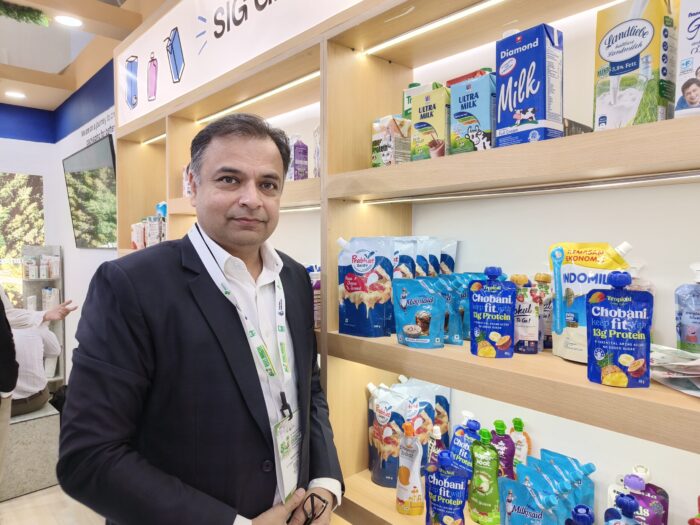
At Dairy Industry Conference 2026 (DIC) in Delhi, packaging specialist SIG and its integrated partner Scholle IPN showcased spouted pouches and bag-in-box containers for sustainable liquid packaging.
The collaboration follows SIG’s acquisition of Scholle IPN approximately five years ago. The business was fully consolidated from 1 June 2022, a move aimed at creating innovative packaging across diverse sectors, including dairy.
At the show, the company highlighted how its combined expertise is transforming traditional bulk and retail liquid distribution.
Scholle IPN, now part of SIG, is a global leader in innovative sustainable packaging solutions, including barrier films, ergonomic fitments, and filling & sealing equipment for bag-in-box and spouted pouches. Founded in 1947, Scholle IPN is headquartered in Northlake, IL, USA.
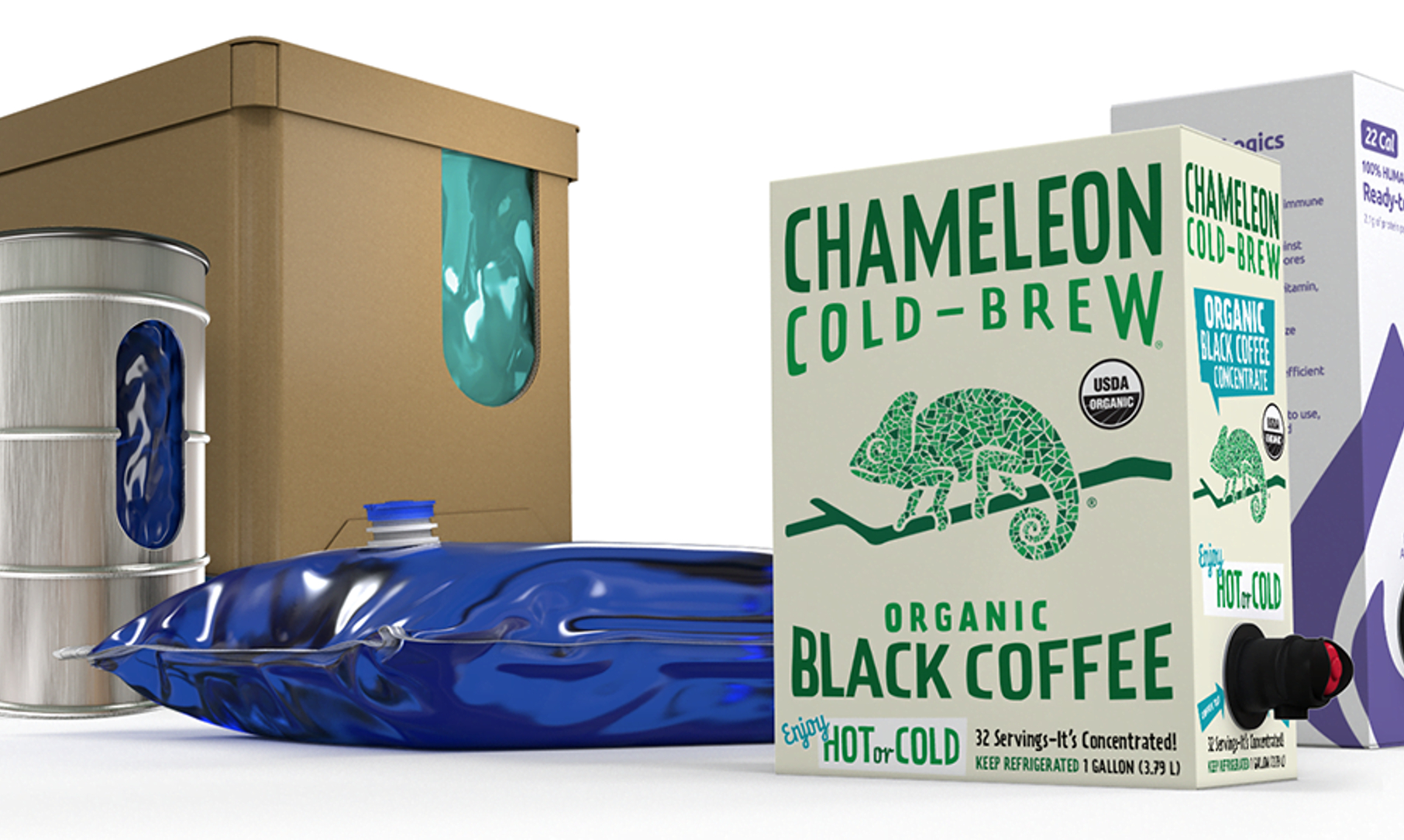
Under the SIG umbrella, Scholle IPN’s focus has shifted toward a unified approach to high-performance, sustainable solutions. The showcase centers on three primary innovations designed for the dairy industry — aseptic spouted pouches for beverages, specialized pouches for ghee, and durable packaging for sweetened condensed milk.
These solutions range in size from 100 ml to 500 ml, offering a flexible, modern alternative to traditional rigid containers.
Beyond retail-sized pouches, SIG is highlighting its bag-in-box technology, a system featuring a durable outer carton and an internal flexible bag. While Scholle IPN has long produced 220-liter aseptic bags for B2B applications in India, the current focus is on expanding this technology into new territories such as bulk ghee. These products are manufactured locally at SIG’s facilities in Palghar near Mumbai and Chakan in Pune.
“Our bag-in-box packaging has a higher product-to-package ratio, which means more product can be packed with less material,” Dhandutt Shah, managing director of SIG bag-In-box and spouted pouch substrates in India, said at SIG. “Because bag-in-box collapses as a product is dispensed, you can see over 99% product evacuation in most cases, regardless of product viscosity. The positive flow of our fitment and connector systems keeps oxygen from entering the package, allowing for an extended open shelf life and giving your consumers ample time to use every last drop.”
“Flexibility in package volume gives you valuable access to multiple sales channels, from retail to foodservice to industrial processing,” he explained.
“Bag-in-box is designed to fit any container size or shape, allowing your brand to truly stand out from the competition. And, with our bag-in-box filling lines, you can flexibly fill many volumes with a variety of fitments on the same filling machine.”
SIG’s primary objective at the event was to enhance market awareness. Shah said while SIG is widely recognized for aseptic cartons, many industry leaders are surprised to learn about its capabilities in spouted pouches and bag-in-box systems. “This surprise factor has driven a high volume of inquiries, particularly during the busy weekend sessions,” he added.
Looking ahead, SIG aims to adapt its bag-in-box technology for broader retail and industrial use within India, drawing inspiration from global success in sectors such as lube oils, wine, and juices. By replacing traditional five-liter cans with more sustainable, flexible alternatives, SIG expects to lead a shift toward more environment-friendly packaging across multiple Indian industries.
IndiFoodBev — authentic, impactful and influential
An English-language food and beverage processing and packaging industry B2B platform in print and web, IndiFoodBev is in its third year of publication. It is said that the Indian food and beverage industries represent approximately US$ 900 billion in revenues which implies more than 20% of the country’s GDP. Eliminating the wastage on the farmside can help to deliver more protein to a higher number of the population apart from generating sizable exports. The savings in soil, seeds, water, fertilizer, energy and ultimately food and nutrition could be the most immense contribution that country is poised to make to the moderation of climate change.
To improve your marketing and grow sales to the food and beverage processing and packaging industry, talk to us. Our research and consulting company IppStar [www.ippstar.org] can assess your potential and addressable markets in light of the competition. We can discuss marketing, communication, and sales strategies for market entry and growth.
Suppliers and service providers with a strategy and budget for targeted marketing can discuss using our hybrid print, web, video, and social media channels to create brand recognition linked to market relevance. Our technical writers are ready to meet you and your customers for content.
The second largest producer of fruit and vegetables in the world is continuously expanding processing capacities and delivery systems with appropriate innovative technologies. We cover product and consumer trends, nutrition, processing, research, equipment and packaging from farm to thali. Get our 2025 media kit and recalibrate your role in this dynamic market. Enhance your visibility and relevance to existing markets and turn potential customers into conversations. Ask for a sample copy of our bi-monthly in print or our weekly IndiFoodBev eZine each Wednesday.
For editorial info@ippgroup.in — for advertisement ads1@ippgroup.in and for subscriptions subscription@ippgroup.in
Naresh Khanna – 10 February 2025
Subscribe Now