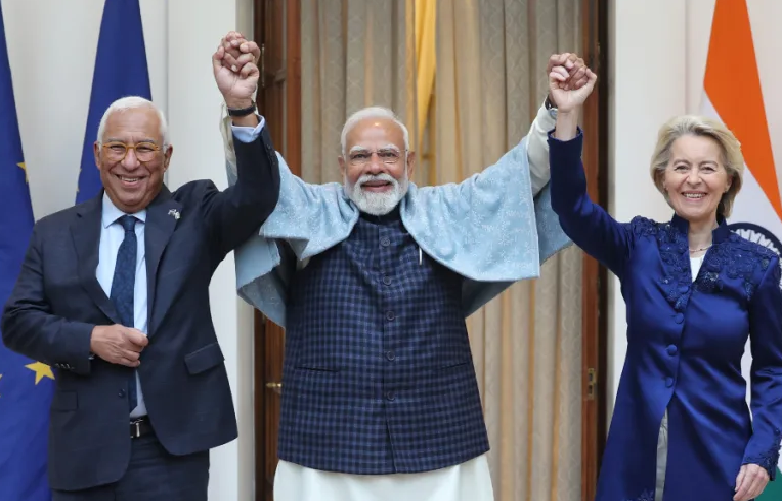
India and the European Union have concluded negotiations on a comprehensive Free Trade Agreement (FTA), marking a major milestone in bilateral economic ties and setting the stage for far-reaching changes in food, agriculture and beverage markets on both sides.

Here are some main points related to the food, beverage and farm sectors that have emerged so far.
According to official government statements, the agreement provides preferential market access for more than 99% of India’s exports by value to the EU, while India will progressively lower tariffs on a wide range of European goods. Among the most visible effects of the deal are expected to be changes in the pricing, availability and competitiveness of food, processed food and beverages.
Boost for Indian farm and food exports to Europe
The FTA opens the door wider for several Indian agricultural and food products in the European market. Products identified for improved access include tea, coffee, spices, table grapes, fresh fruits and vegetables, gherkins, dried onions, sweet corn and processed food items.
Government officials say the enhanced access is expected to support farmers’ incomes, strengthen rural livelihoods and expand opportunities for India’s food-processing industry, particularly small and medium enterprises involved in value-added food exports.
At the same time, India has kept several sensitive agricultural sectors outside the scope of tariff concessions, including dairy products, cereals, poultry, soymeal and select fruits and vegetables, reflecting concerns around food security and domestic producer protection.
Processed foods and rules of origin
For processed food exports, the agreement includes product-specific rules of origin, ensuring that goods must undergo adequate processing in India to qualify for preferential tariffs. Exporters will be able to use self-certification through a statement of origin, a move aimed at reducing compliance costs and simplifying procedures.
Officials say these provisions are designed to support Indian food manufacturers and MSMEs, while maintaining transparency and traceability in supply chains.
European foods set to get cheaper in India
On the import side, the trade deal is expected to make several European food products more affordable for Indian consumers over time, as tariffs are reduced or eliminated in a phased manner.
According to NDTV’s analysis of the agreement, items likely to see price reductions include olive oil and other vegetable oils, along with a wide range of processed foods such as pasta, bread, biscuits, pastries, chocolates and confectionery. European fruit juices and select non-alcoholic beverages are also expected to become more competitively priced.
Certain fresh fruits, including kiwis and pears, are among the products where tariff reductions could translate into lower retail prices, subject to quota conditions.
Wine, beer and alcoholic beverages in focus
One of the most closely watched aspects of the FTA is its impact on European alcoholic beverages, which have historically faced very high import duties in India.
Under the agreement, tariffs on European wines and spirits will be reduced significantly, bringing down costs for importers and, potentially, consumers. Beer imports from Europe are also expected to benefit from lower duties, improving availability in the hospitality and retail sectors.
While final retail prices will continue to depend on state-level taxes and distribution margins, the tariff cuts are expected to make imported wines and beers less of a luxury product and more accessible in urban markets.
Implications for restaurants, retail and consumers
Lower import duties on European ingredients and beverages are likely to have a ripple effect across India’s food-service and hospitality industry. Restaurants, hotels and cafés may find it easier to source olive oil, cheeses, wines and specialty ingredients, potentially expanding menus and offerings.
For consumers, the agreement could translate into greater choice and more competitive pricing for imported food and beverage products that were previously expensive or limited to niche markets.
Balancing opportunity and competition
While consumers and importers stand to benefit, the deal also introduces greater competition for certain domestic producers, particularly in premium segments of processed foods and edible oils. Officials, however, underline that key staples and vulnerable sectors remain protected under the agreement.
Overall, the India–EU FTA signals a significant shift in how global trade agreements intersect with everyday consumption — from what ends up on supermarket shelves to what is served in restaurants and poured into wine glasses.
(Processed from PIB releases, news media reports)
IndiFoodBev — authentic, impactful and influential
An English-language food and beverage processing and packaging industry B2B platform in print and web, IndiFoodBev is in its third year of publication. It is said that the Indian food and beverage industries represent approximately US$ 900 billion in revenues which implies more than 20% of the country’s GDP. Eliminating the wastage on the farmside can help to deliver more protein to a higher number of the population apart from generating sizable exports. The savings in soil, seeds, water, fertilizer, energy and ultimately food and nutrition could be the most immense contribution that country is poised to make to the moderation of climate change.
To improve your marketing and grow sales to the food and beverage processing and packaging industry, talk to us. Our research and consulting company IppStar [www.ippstar.org] can assess your potential and addressable markets in light of the competition. We can discuss marketing, communication, and sales strategies for market entry and growth.
Suppliers and service providers with a strategy and budget for targeted marketing can discuss using our hybrid print, web, video, and social media channels to create brand recognition linked to market relevance. Our technical writers are ready to meet you and your customers for content.
The second largest producer of fruit and vegetables in the world is continuously expanding processing capacities and delivery systems with appropriate innovative technologies. We cover product and consumer trends, nutrition, processing, research, equipment and packaging from farm to thali. Get our 2025 media kit and recalibrate your role in this dynamic market. Enhance your visibility and relevance to existing markets and turn potential customers into conversations. Ask for a sample copy of our bi-monthly in print or our weekly IndiFoodBev eZine each Wednesday.
For editorial info@ippgroup.in — for advertisement ads1@ippgroup.in and for subscriptions subscription@ippgroup.in
Naresh Khanna – 10 February 2025
Subscribe Now