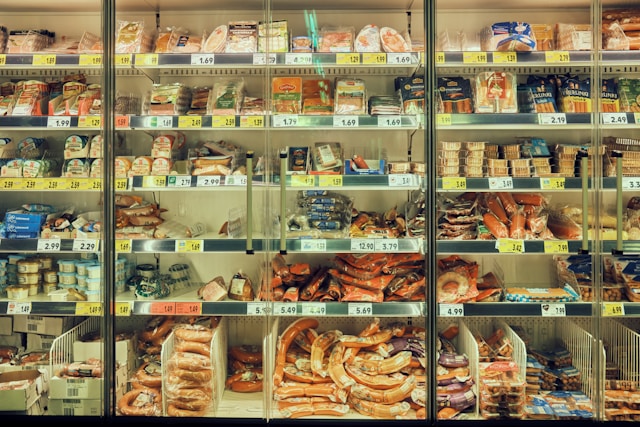
The Economic Survey 2025–26 has called for aggressive fiscal and regulatory measures to address India’s growing health crisis, including placing ultra-processed foods (UPFs) in the highest GST slabs and imposing additional surcharges on products high in sugar, salt, and fat. It also recommended mandatory front-of-pack warning labels instead of star ratings, noting that direct warnings are more effective in discouraging unhealthy choices.
The recommendations come against the backdrop of a sharp rise in obesity, particularly among children. According to the survey, excess weight among children under five increased from 2.1% in 2015–16 to 3.4% in 2019–21. The number of obese children is projected to rise from 3.3 crore in 2020 to 8.3 crore by 2035.
The economic survey proposed a potential ban on advertising ultra-processed foods across all media platforms between 6 am and 11 pm, citing evidence that such marketing drives overconsumption, especially among children and adolescents.
India has emerged as one of the world’s fastest-growing markets for ultra-processed foods. Sales expanded by over 150% between 2009 and 2023, while retail sales surged from about $0.9 billion in 2006 to nearly $38 billion in 2019—a 40-fold increase. A 2023 WHO report noted that this period also coincided with obesity rates nearly doubling among both men and women.
Ultra-processed foods—including soft drinks, packaged snacks, confectionery, ice cream, sweetened cereals, soups, nuggets, and fries—are typically low in nutrients and contain high levels of salt, sugar, and unhealthy fats. Referring to the Lancet Series on Ultra-Processed Foods and Human Health, the survey said high consumption is linked to obesity, heart disease, diabetes, respiratory illnesses and mental health disorders, imposing long-term economic costs through higher healthcare spending and productivity losses.
The economic survey highlighted marketing practices such as celebrity endorsements and misleading health claims, noting that current advertising rules prohibit deceptive claims but lack nutrient-based definitions, allowing vague “healthy” or “energy” labels to persist. This regulatory ambiguity, it said, represents a critical policy gap.
Citing global examples, the survey pointed to Chile’s integrated food laws and advertising restrictions in countries such as Norway and the UK, which recently banned junk food advertisements before 9 pm. It also referenced India’s National Multi-sectoral Action Plan for non-communicable diseases and the ICMR–NIN Dietary Guidelines 2024, both of which advocate front-of-pack labelling and restrictions on advertising foods high in fat, sugar and salt.
However, the survey warned that enforcement remains weak and that improving diets cannot rely solely on changes in consumer behavior. It called for coordinated policies across food systems to regulate the production, marketing, and consumption of ultra-processed foods in order to promote healthier and more sustainable diets.
IndiFoodBev — authentic, impactful and influential
An English-language food and beverage processing and packaging industry B2B platform in print and web, IndiFoodBev is in its third year of publication. It is said that the Indian food and beverage industries represent approximately US$ 900 billion in revenues which implies more than 20% of the country’s GDP. Eliminating the wastage on the farmside can help to deliver more protein to a higher number of the population apart from generating sizable exports. The savings in soil, seeds, water, fertilizer, energy and ultimately food and nutrition could be the most immense contribution that country is poised to make to the moderation of climate change.
To improve your marketing and grow sales to the food and beverage processing and packaging industry, talk to us. Our research and consulting company IppStar [www.ippstar.org] can assess your potential and addressable markets in light of the competition. We can discuss marketing, communication, and sales strategies for market entry and growth.
Suppliers and service providers with a strategy and budget for targeted marketing can discuss using our hybrid print, web, video, and social media channels to create brand recognition linked to market relevance. Our technical writers are ready to meet you and your customers for content.
The second largest producer of fruit and vegetables in the world is continuously expanding processing capacities and delivery systems with appropriate innovative technologies. We cover product and consumer trends, nutrition, processing, research, equipment and packaging from farm to thali. Get our 2025 media kit and recalibrate your role in this dynamic market. Enhance your visibility and relevance to existing markets and turn potential customers into conversations. Ask for a sample copy of our bi-monthly in print or our weekly IndiFoodBev eZine each Wednesday.
For editorial info@ippgroup.in — for advertisement ads1@ippgroup.in and for subscriptions subscription@ippgroup.in
Naresh Khanna – 10 February 2025
Subscribe Now