The Indian government told the Supreme Court on 10 September 2026 that it is open to stricter red warning labels on food packaging, Reuters reported, after health activists argued that its earlier proposal let companies off too easily.

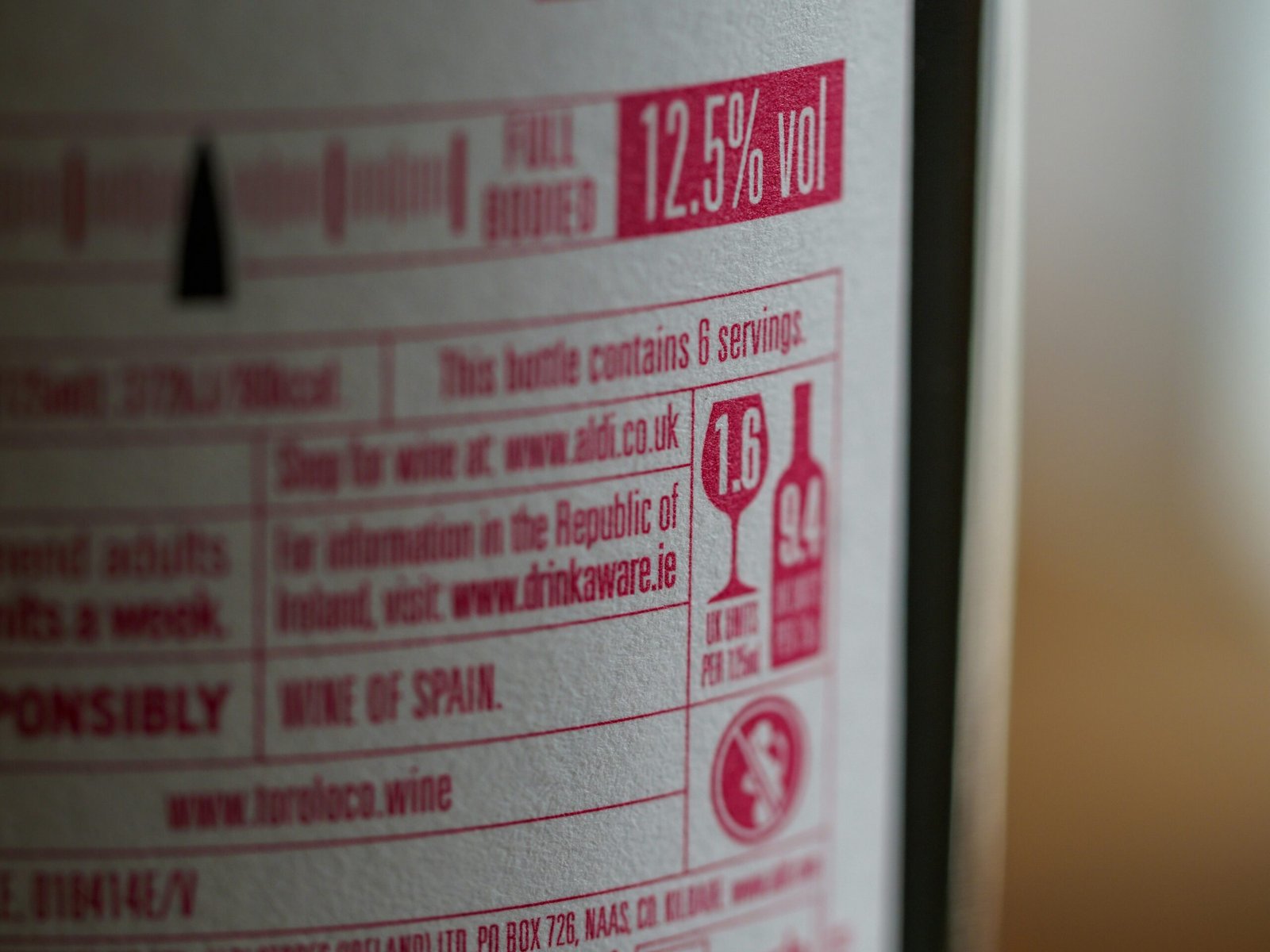
The Food Safety and Standards Authority of India (FSSAI) had proposed last month a two-phase labeling plan, beginning with red hexagonal warnings on products exceeding limits in at least two of three categories: added sugar, salt, or saturated fat.
Justice J.B. Pardiwala pushed back during Thursday’s hearing, questioning why a product would need to breach multiple thresholds before being flagged. The FSSAI’s lawyer then indicated the authority could instead implement both phases together, meaning a product exceeding just one of the three nutrient limits would carry the red warning.
The case stems from a petition by health group ‘3S And Our Health’ seeking tougher labeling rules. Public scrutiny of the issue has grown since Reuters revealed last month that the government had softened its labeling approach following lobbying from Coca-Cola and industry groups linked to Nestlé and PepsiCo. These companies that argued warning labels don’t work — even though many of them use similar labels voluntarily in Europe.
The court is expected to issue a written order by 11 September. Separately, the bench noted its concern for children’s health and public wellbeing, urging cooperation from all sides.
The food industry had already pushed back formally, Reuters reported. The All India Food Processors’ Association (AIFPA), whose members include Nestlé, Coca-Cola, PepsiCo, and Hindustan Unilever, filed a court submission — the industry’s first formal legal challenge to the plan — asking regulators to revisit the proposed thresholds.
AIFPA argued the limits needed more rigorous scientific grounding and should better reflect Indian dietary habits, warning that a very large share of packaged foods could otherwise end up labelled as high in sugar, salt, or fat.
Industry executives have also objected to measuring these limits per 100 grams rather than per serving, arguing that products like pickles or ketchup are rarely eaten in such quantities, and pointed to a US proposal using per-serving standards as a preferable model.
A nutrition advocate dismissed the industry’s filing as an attempt to stall the introduction of warning labels. Rising obesity is a growing worry, with a Lancet study estimating that up to 450 million Indians could be overweight or obese by 2050.
IndiFoodBev — authentic, impactful and influential
An English-language food and beverage processing and packaging industry B2B platform in print and web, IndiFoodBev is in its third year of publication. It is said that the Indian food and beverage industries represent approximately US$ 900 billion in revenues which implies more than 20% of the country’s GDP. Eliminating the wastage on the farmside can help to deliver more protein to a higher number of the population apart from generating sizable exports. The savings in soil, seeds, water, fertilizer, energy and ultimately food and nutrition could be the most immense contribution that country is poised to make to the moderation of climate change.
To improve your marketing and grow sales to the food and beverage processing and packaging industry, talk to us. Our research and consulting company IppStar [www.ippstar.org] can assess your potential and addressable markets in light of the competition. We can discuss marketing, communication, and sales strategies for market entry and growth.
Suppliers and service providers with a strategy and budget for targeted marketing can discuss using our hybrid print, web, video, and social media channels to create brand recognition linked to market relevance. Our technical writers are ready to meet you and your customers for content.
The second largest producer of fruit and vegetables in the world is continuously expanding processing capacities and delivery systems with appropriate innovative technologies. We cover product and consumer trends, nutrition, processing, research, equipment and packaging from farm to thali. Get our 2025 media kit and recalibrate your role in this dynamic market. Enhance your visibility and relevance to existing markets and turn potential customers into conversations. Ask for a sample copy of our bi-monthly in print or our weekly IndiFoodBev eZine each Wednesday.
For editorial info@ippgroup.in — for advertisement ads1@ippgroup.in and for subscriptions subscription@ippgroup.in
Naresh Khanna – 10 February 2025
Subscribe Now