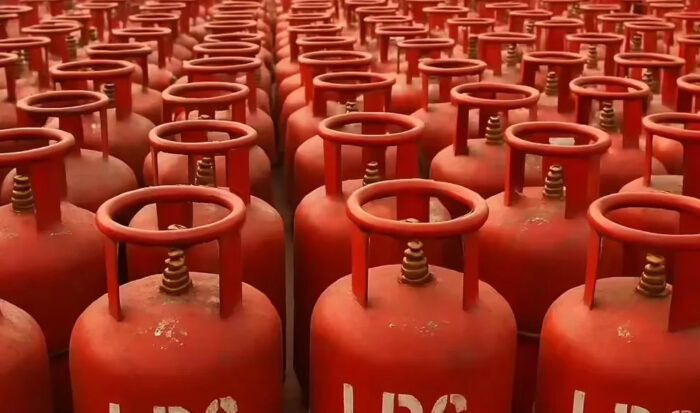
India’s dairy sector is facing mounting disruption due to an ongoing LPG (liquefied petroleum gas) shortage, with Mumbai and parts of Maharashtra among the hardest hit, multiple media reports suggested. The supply crunch, linked to geopolitical tensions in West Asia, has begun affecting milk packaging, processing, and distribution, raising concerns about potential supply interruptions.
A key issue is the shortage of packaging materials. Manufacturing units producing polyethylene milk pouches and cartons are not receiving adequate gas, slowing production. Industry representatives warn that existing packaging stocks may last only around 10 days. Devendra Shah, founder-chairman of Gowardhan Dairy, has been quoted as saying in the Times of India that insufficient LPG gas supply to packaging manufacturers is already creating bottlenecks.
Dairies are also struggling with processing delays, as pasteurization and sterilization require a continuous fuel supply. Smaller and medium-sized operators are particularly affected, with some reporting difficulties in maintaining production schedules. Sharib Shaikh of Suresh Dairy in Chembur noted rising input costs, including transportation, alongside shortages of plastic packaging, the Times of India reported.
The crisis has led to unusual market conditions. Reduced demand from bulk buyers such as hotels and restaurants has left dairies with surplus milk. According to CK Singh of the Bombay Milk Producers Association, canceled bulk orders have forced some operators to sell excess milk at significantly reduced prices due to limited storage capacity, Times of India reported.
Production of value-added dairy products has also slowed ahead of the Gudi Padwa festival. Items like basundi, shrikhand, and paneer are being produced in smaller quantities, with some dairies experimenting with electric boilers as a temporary workaround.
Larger dairy players appear more resilient. Amul, which processes around 350 lakh liters daily, has mitigated the impact by using alternative fuels such as diesel and producing its own packaging materials. Mother Dairy, relying on piped natural gas, has reported no immediate disruption. However, smaller dairies continue to face significant challenges as the LPG gas shortage persists.
IndiFoodBev — authentic, impactful and influential
An English-language food and beverage processing and packaging industry B2B platform in print and web, IndiFoodBev is in its third year of publication. It is said that the Indian food and beverage industries represent approximately US$ 900 billion in revenues which implies more than 20% of the country’s GDP. Eliminating the wastage on the farmside can help to deliver more protein to a higher number of the population apart from generating sizable exports. The savings in soil, seeds, water, fertilizer, energy and ultimately food and nutrition could be the most immense contribution that country is poised to make to the moderation of climate change.
To improve your marketing and grow sales to the food and beverage processing and packaging industry, talk to us. Our research and consulting company IppStar [www.ippstar.org] can assess your potential and addressable markets in light of the competition. We can discuss marketing, communication, and sales strategies for market entry and growth.
Suppliers and service providers with a strategy and budget for targeted marketing can discuss using our hybrid print, web, video, and social media channels to create brand recognition linked to market relevance. Our technical writers are ready to meet you and your customers for content.
The second largest producer of fruit and vegetables in the world is continuously expanding processing capacities and delivery systems with appropriate innovative technologies. We cover product and consumer trends, nutrition, processing, research, equipment and packaging from farm to thali. Get our 2025 media kit and recalibrate your role in this dynamic market. Enhance your visibility and relevance to existing markets and turn potential customers into conversations. Ask for a sample copy of our bi-monthly in print or our weekly IndiFoodBev eZine each Wednesday.
For editorial info@ippgroup.in — for advertisement ads1@ippgroup.in and for subscriptions subscription@ippgroup.in
Naresh Khanna – 10 February 2025
Subscribe Now