As a food technologist and industry strategist, I have seen the global food market reach a critical pivot point. The era of ‘heat-and-preserve’ which saved the 20th century from foodborne illness, is being replaced by a 21st-century mandate for freshness, nutrition, and sustainability. Non-Thermal Processing (NTP) is no longer a niche luxury; it is the technological backbone of the next food economy.
The genesis – physics over fire
Non-thermal technology was born from the need to decouple safety from quality. While heat pasteurization kills pathogens, it also ‘cooks’ the product, destroying delicate vitamins and volatile aromas. Technologies like high-pressure processing (HPP) and pulsed electric fields (PEF) use mechanical and electrical forces to achieve a 5-log reduction in pathogens at room temperature. Engineers and microbiologists pioneered this shift to meet the clean-label demand for food that is safe, long-lasting, and entirely free of chemical preservatives.
Technical overview – high-pressure processing (HPP)
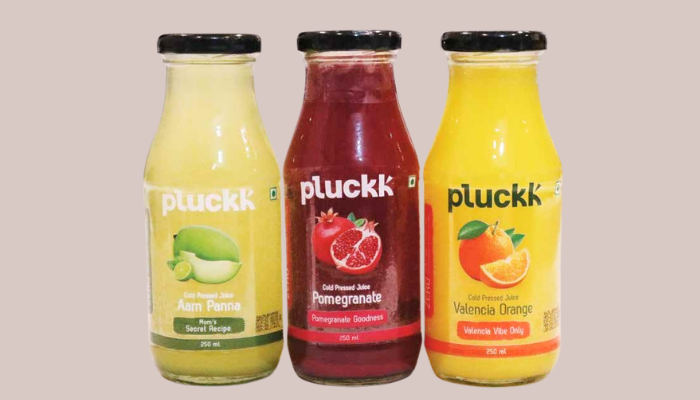
HPP, or ‘Pascalization,’ subjects packaged food to extreme water pressure up to 600 MPa. This isostatically crushes the cell membranes of pathogens like Listeria and Salmonella without heat. Because it targets only weak, non-covalent bonds, it leaves vitamins, pigments, and flavor molecules intact. This results in ‘fresh-like’ products with extended shelf lives, such as guacamole and cold-pressed juices. While highly effective at maintaining nutritional integrity and eliminating post-packaging contamination, HPP requires significant capital investment and is less effective against bacterial spores unless combined with mild heat.
Pulsed electric fields (PEF)
PEF is a continuous-flow technology that passes liquid foods between electrodes, applying short, high-voltage bursts. These pulses induce ‘electroporation,’ creating irreversible pores in microbial cell membranes that lead to cell death. It is exceptionally efficient for heat-sensitive liquids like milk and fruit juices, as it operates at near-ambient temperatures. Beyond safety, PEF improves industrial yields by assisting in the extraction of sugars and pigments from plant tissues. While it offers lower operating costs and higher throughput than HPP, its performance depends on the food’s electrical conductivity.
Cold plasma (CP)
Cold plasma uses ionized gases to generate a reactive ‘cloud’ of ions and free radicals at room temperature. These species chemically attack the surfaces of microorganisms, rupturing cell walls and damaging DNA. It is a powerful tool for decontaminating fragile produce, like berries and sprouts, without leaving chemical residues or altering texture. Because the plasma returns to its original gas state after treatment, it is an eco-friendly solution for sanitizing both food and packaging materials. However, technologists must carefully calibrate the exposure to prevent oxidation in high-fat foods.
Ultrasound (US)
Ultrasound utilizes high-frequency sound waves to trigger ‘acoustic cavitation.’ This process creates microscopic bubbles in liquids that implode violently, generating localized high-pressure shockwaves that physically shear microbial cells and inactivate enzymes. Industrially, it is prized for its versatility; it can tenderize meat, accelerate the drying of vegetables, and create ultra-stable emulsions for plant milks without chemical additives. Often used as a ‘hurdle’ alongside other methods, ultrasound is highly energy-efficient and scalable. Its primary challenge lies in the potential for ‘hot spots’ if intensities are not precisely controlled.
Ultraviolet (UV) and pulsed light (PL)
Light-based processing uses germicidal UV-C wavelengths or intense pulses of broad-spectrum light to neutralize pathogens. The light energy is absorbed by microbial DNA, creating ‘thymine dimers’ that prevent bacteria from replicating. This technology is the most cost-effective and energy-efficient non-thermal option for surface sterilization and decontaminating clear liquids like water or apple cider. While it excels at sanitizing packaging and conveyor belts, its main limitation is that ‘shadowing’ any area not directly hit by the light remains untreated. It is best suited for smooth surfaces or transparent fluids.
The economic and global impact of non-thermal innovation
According to the UN Food and Agriculture Organization (FAO), approximately 13.2% of the world’s food is lost in the supply chain after harvest but before reaching retail, while another 19% is wasted at the consumer and retail levels. This translates to 1.05 billion tonnes of food waste annually, costing the global economy billions and accounting for 8-10% of global greenhouse gas emissions. Non-thermal technologies are a key solution to this crisis, as they extend the shelf life of fresh products like juices and proteins without chemical preservatives, allowing for longer distribution chains and reduced spoilage. Investment in these agrifood innovations is listed by the FAO Private Sector Advisory Group as essential for achieving Sustainable Development Goal (SDG) 12.3, which aims to halve global food waste by 2030. The OECD-FAO Agricultural Outlook projects that halving food waste could reduce global agricultural emissions by 4% and alleviate undernourishment for 153 million people by 2030.
SWOT analysis
- Strengths – Unrivaled nutrient retention, Clean Label friendly, low energy footprint.
- Weaknesses – High initial CAPEX, complexity in inactivating certain bacterial spores.
- Opportunities – Rapid growth in plant-based meats and functional beverages.
- Threats – Strict regulatory hurdles and evolving energy costs for high-voltage systems.
Conclusion
Non-thermal processing is the bridge between the convenience of the modern supermarket and the nutritional integrity of a farm-to-table diet. As the market for non-thermal pasteurization heads toward a projected US$ 17.4 billion valuation by 2034, the companies that adopt these technologies now will own the ‘Fresh’ category for the next decade. For investors, it is a rare opportunity to achieve high-margin returns while meeting the world’s most urgent ESG goals.
The transition to non-thermal methods signifies a maturation of the food industry, moving away from the energy-intensive ‘burn’ methods of the industrial past toward a refined, physics-driven future. From a scientific perspective, we are no longer just killing bacteria; we are engineering molecular stability. By utilizing kinetic pressure and electrical pulses, we can preserve the tertiary structure of proteins and the delicate antioxidant profiles that heat typically destroys. This represents a fundamental shift in food architecture where safety is achieved through the manipulation of physical states rather than thermal degradation.
We are entering an era where ‘processed’ no longer equates to ‘diminished.’ In this new frontier, the competitive advantage lies with those who realize that freshness is not just a sensory attribute, but a technological achievement that safeguards both human health and global resources. As we invent new ‘hurdle’ combinations of these technologies, we will eventually reach a point where the nutritional gap between a harvested crop and a shelf-stable product is virtually non-existent. For the strategic stakeholder, the opportunity is clear – the future of food is not cooked; it is cold, vibrant, and technologically superior.
References
- Bermúdez-Aguirre, D., & Barbosa-Cánovas, G. V. (2011). An update on high hydrostatic pressure. Food Engineering Reviews.
- Chemat, F., Zill-e-Huma, & Khan, M. K. (2011). Ultrasound assisted extraction of food and natural products. Ultrasonics Sonochemistry.
- Cullen, P. J., et al. (2022). Novel Non-Thermal Food Processing Technologies. Springer Science & Business Media.
- FAO (2024). Food Waste Index Report 2024: Tracking Progress. United Nations.
- FAO Private Sector Advisory Group (2023). Investment in Agrifood Innovation. FAO Connect.
- FDA (2024). Preventive Controls for Human Food: Guidance for Industry. U.S. Food and Drug Administration.
- Fortune Business Insights (2024). Non-Thermal Pasteurization Market Analysis. Market Report.
- Knorr, D., Froehling, A., Jaeger, H., Reineke, K., Schlueter, O., & Schoessler, K. (2011). Emergence of non-thermal methods for food preservation. Annual Review of Food Science and Technology.
- Misra, N. N., Schlüter, O., & Cullen, P. J. (2016). Cold Plasma in Food and Agriculture. Academic Press.
- OECD/FAO (2024). OECD-FAO Agricultural Outlook 2024-2033. International Trade Data.
- Oms-Oliu, G., Martín-Belloso, O., & Soliva-Fortuny, R. (2010). Recent approaches using pulsed light. Postharvest Biology and Technology.
- Pasdar, Y., et al. (2024). Bioavailability of nutrients in non-thermal systems. Journal of Food Science.
- Raso, J., & Heinz, V. (2006). Pulsed Electric Fields Technology for the Food Industry. Springer.
IndiFoodBev — authentic, impactful and influential
An English-language food and beverage processing and packaging industry B2B platform in print and web, IndiFoodBev is in its third year of publication. It is said that the Indian food and beverage industries represent approximately US$ 900 billion in revenues which implies more than 20% of the country’s GDP. Eliminating the wastage on the farmside can help to deliver more protein to a higher number of the population apart from generating sizable exports. The savings in soil, seeds, water, fertilizer, energy and ultimately food and nutrition could be the most immense contribution that country is poised to make to the moderation of climate change.
To improve your marketing and grow sales to the food and beverage processing and packaging industry, talk to us. Our research and consulting company IppStar [www.ippstar.org] can assess your potential and addressable markets in light of the competition. We can discuss marketing, communication, and sales strategies for market entry and growth.
Suppliers and service providers with a strategy and budget for targeted marketing can discuss using our hybrid print, web, video, and social media channels to create brand recognition linked to market relevance. Our technical writers are ready to meet you and your customers for content.
The second largest producer of fruit and vegetables in the world is continuously expanding processing capacities and delivery systems with appropriate innovative technologies. We cover product and consumer trends, nutrition, processing, research, equipment and packaging from farm to thali. Get our 2025 media kit and recalibrate your role in this dynamic market. Enhance your visibility and relevance to existing markets and turn potential customers into conversations. Ask for a sample copy of our bi-monthly in print or our weekly IndiFoodBev eZine each Wednesday.
For editorial info@ippgroup.in — for advertisement ads1@ippgroup.in and for subscriptions subscription@ippgroup.in
Naresh Khanna – 10 February 2025
Subscribe Now