The union budget 2026 has elicited varied yet largely positive reactions from industry leaders across manufacturing, food, education, and investment sectors. From the reactions we have received, stakeholders see the budget as a forward-looking roadmap that balances growth, sustainability, and structural reform, while aligning policy direction with India’s long-term economic aspirations.
Food industry
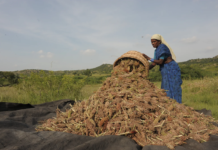
From the food and FMCG sector, Bipin Hadvani, founder of Gopal Snacks, described budget 2026–27 as balanced in its approach to agriculture, food processing, and consumption-led growth. He said measures aimed at improving farmer incomes, strengthening agri-value chains, and leveraging technology through initiatives such as Bharat-VISTAAR would benefit both producers and FMCG players. Enhanced investment in infrastructure and logistics, he added, would help reduce costs and improve market access, while the emphasis on rural entrepreneurship and women-led enterprises is expected to drive demand in semi-urban and rural markets.
Sanjay Singal, CEO of Wagh Bakri Tea Group, echoed similar sentiments, stating that the budget strengthens the linkage between agriculture and FMCG through farmer-centric initiatives, infrastructure development, and technology adoption. He noted that steps aimed at improving farm productivity, reducing risk, and enhancing market access would benefit plantation crops such as tea. Singal also highlighted the focus on rural incomes, women-led enterprises, MSME financing, and investments in logistics, freight corridors, and customs process simplification, which are expected to improve supply chain efficiency and export competitiveness. The launch of Bharat-VISTAAR, integrating AgriStack portals with ICAR’s agricultural knowledge, he said, could further boost productivity and reduce farm-level risks.
Films, polymer
Arvind Singhania, chairman and CEO of Ester Industries, welcomed the government’s push toward advanced materials, textiles, and industrial decarbonization. He said the integrated programme for the textile sector, with its focus on man-made and new-age fibers, technology modernisation, and expanded skilling under SAMARTH 2.0, would strengthen India’s manufacturing competitiveness. According to him, the policy direction supports faster capacity creation, higher value addition, and deeper integration into global supply chains, particularly for specialty materials players.
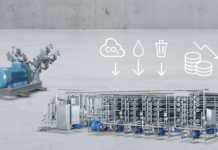
Singhania highlighted the ₹20,000-crore allocation for scaling up carbon capture technologies across hard-to-abate sectors such as chemicals and refineries, calling it a pragmatic recognition that industrial growth and decarbonisation must progress together. He added that the emphasis on modernising clusters, enabling technology adoption, and strengthening the fibre-to-fashion value chain signals a shift from scale-driven growth to sophistication-led manufacturing, while underscoring the need for swift execution.
Education
In the education sector, Sudhir Nanavati, president of GLS University, said the union budget demonstrates a strong focus on education, skilling, and the transition from education to employment. He welcomed proposals such as University Townships near industrial corridors, increased investment in STEM infrastructure, and targeted support for women students, noting that these measures would strengthen higher education outcomes. Nanavati also praised initiatives like AVGC Content Creator Labs in schools and colleges, calling them a future-ready step aligned with emerging industry needs.
Dr Manjula Pooja Shroff, founder and CEO of Kalorex, welcomed the focus on the Orange Economy, particularly the establishment of content labs in high schools and colleges. However, she raised concerns regarding the sudden implementation of labour codes, highlighting potential non-compliance and litigation risks during the interim period. She noted that employers require adequate preparatory time and a supportive regulatory and enforcement approach to ensure smooth adoption.
Others
Commenting on the broader economic impact, Mihir Joshi, managing director of GVFL (Gujarat Venture Finance Limited), said the Budget lays out a strong roadmap for India’s next phase of growth, with a clear focus on manufacturing, infrastructure, and structural reforms while maintaining financial prudence. He highlighted measures such as the ₹10,000 crore SME Growth Fund, higher allocation for the Self-Reliant India Fund, expansion of PLI-linked sectors, and sustained public capital expenditure as significant enablers for startups and investors.
Joshi added that the emphasis on financial sector reforms and ease of foreign investment would improve capital availability and reinforce investor confidence. In the context of global challenges such as tariffs and economic uncertainty, he said the Budget strikes the right balance between ambition and stability, positioning India as a long-term, innovation-led growth market.
IndiFoodBev — authentic, impactful and influential
An English-language food and beverage processing and packaging industry B2B platform in print and web, IndiFoodBev is in its third year of publication. It is said that the Indian food and beverage industries represent approximately US$ 900 billion in revenues which implies more than 20% of the country’s GDP. Eliminating the wastage on the farmside can help to deliver more protein to a higher number of the population apart from generating sizable exports. The savings in soil, seeds, water, fertilizer, energy and ultimately food and nutrition could be the most immense contribution that country is poised to make to the moderation of climate change.
To improve your marketing and grow sales to the food and beverage processing and packaging industry, talk to us. Our research and consulting company IppStar [www.ippstar.org] can assess your potential and addressable markets in light of the competition. We can discuss marketing, communication, and sales strategies for market entry and growth.
Suppliers and service providers with a strategy and budget for targeted marketing can discuss using our hybrid print, web, video, and social media channels to create brand recognition linked to market relevance. Our technical writers are ready to meet you and your customers for content.
The second largest producer of fruit and vegetables in the world is continuously expanding processing capacities and delivery systems with appropriate innovative technologies. We cover product and consumer trends, nutrition, processing, research, equipment and packaging from farm to thali. Get our 2025 media kit and recalibrate your role in this dynamic market. Enhance your visibility and relevance to existing markets and turn potential customers into conversations. Ask for a sample copy of our bi-monthly in print or our weekly IndiFoodBev eZine each Wednesday.
For editorial info@ippgroup.in — for advertisement ads1@ippgroup.in and for subscriptions subscription@ippgroup.in
Naresh Khanna – 10 February 2025
Subscribe Now