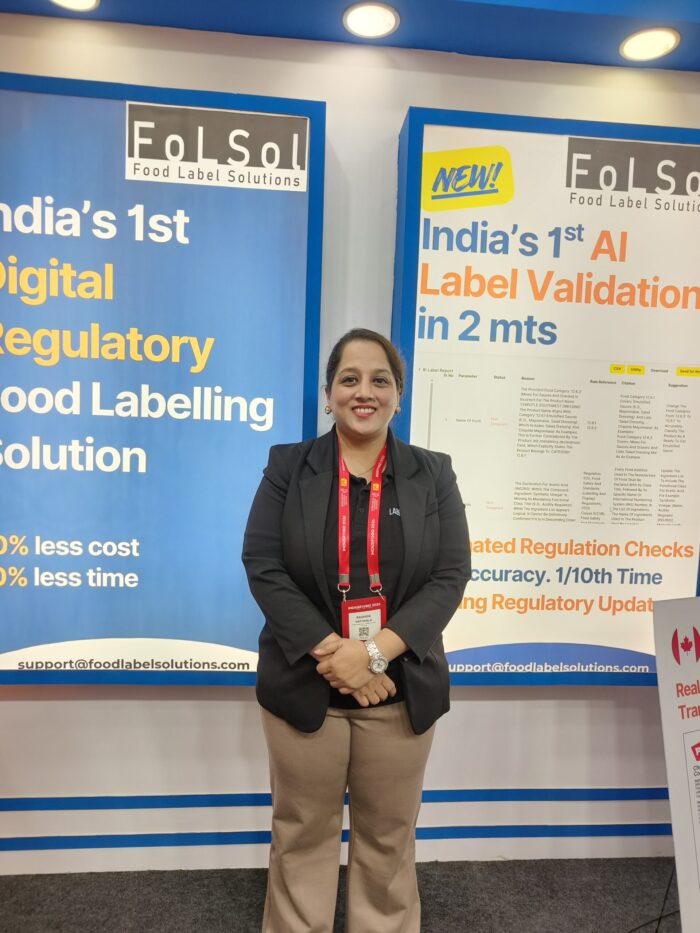
LabelBlind Solutions, an Indian AI-led digital food labelling SaaS platform, has released findings from independent evaluations of food labelling claims in India.
The LabelBlind study of Labelling Claims in India’s Packaged Food Industry 2025–26 reveals that 33.6% of the 5,058 labelling claims analyzed were either non-compliant (21.3%) or lacked adequate substantiation requiring brand verification (12.3%), falling short of regulatory compliance under FSSAI regulations, ASCI guidelines, and key parameters of the Consumer Protection Act, 2019.
According to a press release, the study covered 18 widely consumed food categories, ranging from staples such as edible oils, ghee, and honey to new-age categories like plant-based beverages, ready-to-eat meals, and packaged snacks.
The findings point to everyday household staples as the most affected categories, with the study revealing that 80% of health claims on honey, 65.5% on ghee, 54.3% on tea and herbal infusions, and 52.9% on edible oils failed labelling compliance checks. The analysis also found that newer new-aged and innovation-led categories are non-compliant on labels, as 29% of claims on plant-based beverages, 28.6% on ready-to-eat meals, and 27.3% on packaged snacks were flagged as non-compliant, suggesting that faster product innovation may be outpacing compliance rigor, the press release states.
Dr Rashida Vapiwala, founder and CEO, LabelBlind, said, “FAO recognizes food labelling as a critical tool for protecting consumer health by enabling informed choices around food safety and nutrition. However, our study shows that over one-third of labelling claims in India’s packaged food market either fail compliance checks or lack adequate substantiation. As global trade expands and consumers move further away from direct producer relationships, food labels have become one of the most important and immediate points of communication with the consumer. This makes clarity, accuracy, and credibility on labels not just a regulatory requirement, but a public health imperative.”
The study’s conclusions echo broader regulatory trends. ASCI’s Half-Yearly Complaints Report (April–September 2025) identified the food & beverage sector among the top five violators, with a majority of cases linked to health and nutrition claims, reinforcing the need for tighter oversight.
LabelBlind has called on the packaged food industry to strengthen claim governance by exercising greater discipline in the use of health and nutrition claims, particularly for everyday food products, and by embedding labelling compliance earlier in the product development stage. The company also emphasized on the need for digitization for stronger internal checks as regulatory scrutiny intensifies and consumer awareness around misleading claims continues to rise.
IndiFoodBev — authentic, impactful and influential
An English-language food and beverage processing and packaging industry B2B platform in print and web, IndiFoodBev is in its third year of publication. It is said that the Indian food and beverage industries represent approximately US$ 900 billion in revenues which implies more than 20% of the country’s GDP. Eliminating the wastage on the farmside can help to deliver more protein to a higher number of the population apart from generating sizable exports. The savings in soil, seeds, water, fertilizer, energy and ultimately food and nutrition could be the most immense contribution that country is poised to make to the moderation of climate change.
To improve your marketing and grow sales to the food and beverage processing and packaging industry, talk to us. Our research and consulting company IppStar [www.ippstar.org] can assess your potential and addressable markets in light of the competition. We can discuss marketing, communication, and sales strategies for market entry and growth.
Suppliers and service providers with a strategy and budget for targeted marketing can discuss using our hybrid print, web, video, and social media channels to create brand recognition linked to market relevance. Our technical writers are ready to meet you and your customers for content.
The second largest producer of fruit and vegetables in the world is continuously expanding processing capacities and delivery systems with appropriate innovative technologies. We cover product and consumer trends, nutrition, processing, research, equipment and packaging from farm to thali. Get our 2025 media kit and recalibrate your role in this dynamic market. Enhance your visibility and relevance to existing markets and turn potential customers into conversations. Ask for a sample copy of our bi-monthly in print or our weekly IndiFoodBev eZine each Wednesday.