The Chancery Lane Project (TCLP), a UK-based legal nonprofit driving climate action through contracts, has collaborated with WRAP (Waste and Resources Action Programme) to update Runa’s Clause (Reducing Supply Chain Food Waste).
The clause is a practical contractual tool designed to help businesses reduce food waste across supply chains while supporting sustainability goals and operational efficiency. WRAP will advise its partners to incorporate this clause to reduce supply chain food waste and help deliver sustainability goals.
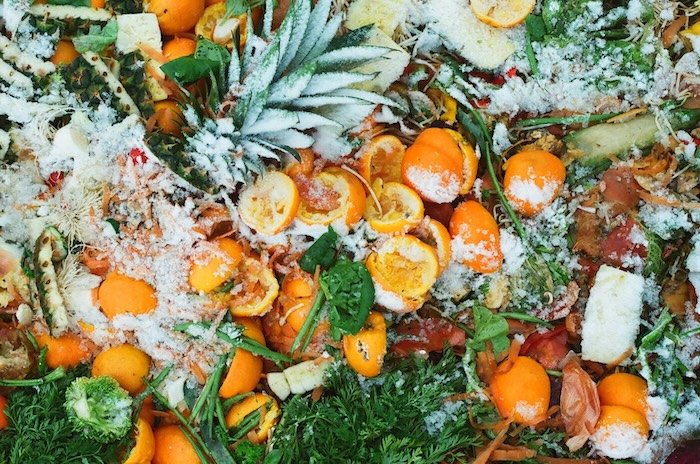
Reducing food waste delivers both financial and environmental benefits. Businesses can cut unnecessary costs while also reducing greenhouse gas emissions associated with wasted food production, transport and disposal.
The updated clause strengthens requirements for businesses to measure the tonnage of food waste generated, record reduction initiatives and outcomes, and report progress against food waste reduction targets. It encourages organizations to use recognized frameworks such as WRAP’s Food Waste Data Capture Sheet and aligns with best-practice guidance, including WRAP’s UK Food and Drink Pact and Food Waste Reduction Roadmap.
UK-based food manufacturer English Provender Company has already received board approval to adopt Runa’s clause. The company specialises in sauces, dressings, marinades, condiments, chutneys, and cooking ingredients, supplying major UK retailers, food manufacturers, and foodservice businesses.
By embedding these practices directly into contracts, businesses can improve transparency across supply chains while working with suppliers to identify the causes of waste and implement practical solutions.
Ben Metz, executive director at The Chancery Lane Project, said, “Contracts are one of the most powerful levers businesses have to drive change across supply chains. By building food waste reduction directly into contracts, companies can move from good intentions to measurable impact. The updated Runa’s Clause helps organizations work collaboratively to address the issue with suppliers to reduce waste, cut emissions and deliver on their sustainability commitments.”
Caroline Conroy, senior specialist food system transformation at WRAP, added, “Last year, the average cost incurred by a company for every tonne of food waste it generated ranged between £1,638 and over £4,200, across various sectors. The updated Runa’s Clause will be welcome news for businesses, as it means they can reduce costly food waste at the contract stage and avoid these heavy, persistent losses.
“This is good news environmentally too, as reducing a tonne of food waste prevents nearly 4 tonnes of CO2e from being produced. WRAP is delighted to collaborate with The Chancery Lane Project to update Runa’s Clause.”
Carl Steckerl, business lead for environmental, social and governance at English Provender Company, added, “The Billington Group is committed to reducing our food waste both within our business and the value chains in which we operate. We are pleased to have adopted the principles of Runa’s clause to increase transparency in cases of avoidable waste. We are looking forward to working collaboratively with our suppliers and customers and embedding these principles into our ways of working.”
Through legal design, legal tech, co-creation, and legal playbooks, The Chancery Lane Project is continuing its commitment to provide practical guidance and tools for applying climate-aligned solutions that drive decarbonisation and sustainable practices.
IndiFoodBev — authentic, impactful and influential
An English-language food and beverage processing and packaging industry B2B platform in print and web, IndiFoodBev is in its third year of publication. It is said that the Indian food and beverage industries represent approximately US$ 900 billion in revenues which implies more than 20% of the country’s GDP. Eliminating the wastage on the farmside can help to deliver more protein to a higher number of the population apart from generating sizable exports. The savings in soil, seeds, water, fertilizer, energy and ultimately food and nutrition could be the most immense contribution that country is poised to make to the moderation of climate change.
To improve your marketing and grow sales to the food and beverage processing and packaging industry, talk to us. Our research and consulting company IppStar [www.ippstar.org] can assess your potential and addressable markets in light of the competition. We can discuss marketing, communication, and sales strategies for market entry and growth.
Suppliers and service providers with a strategy and budget for targeted marketing can discuss using our hybrid print, web, video, and social media channels to create brand recognition linked to market relevance. Our technical writers are ready to meet you and your customers for content.
The second largest producer of fruit and vegetables in the world is continuously expanding processing capacities and delivery systems with appropriate innovative technologies. We cover product and consumer trends, nutrition, processing, research, equipment and packaging from farm to thali. Get our 2025 media kit and recalibrate your role in this dynamic market. Enhance your visibility and relevance to existing markets and turn potential customers into conversations. Ask for a sample copy of our bi-monthly in print or our weekly IndiFoodBev eZine each Wednesday.
For editorial info@ippgroup.in — for advertisement ads1@ippgroup.in and for subscriptions subscription@ippgroup.in
Naresh Khanna – 10 February 2025
Subscribe Now