In recent editorials, we have used the word resilience to speak about our capability to withstand the US-Israeli war on Iran and to question what is needed beyond the mere survival of our individual businesses. Although many of us are focused on our business and industry, we are deeply affected by the larger economy that we benefit from, and to which we provide packaging materials and services. Key among these segments are food and health.

We are directly affected by the prices of energy, fuel and gas in our factories and the prices of oil and chemical-based inputs for our solvents, coatings, inks and polymers. There are many indirect inflationary effects, such as the price of cooking gas, which greatly affect our employees and those with informal connections.
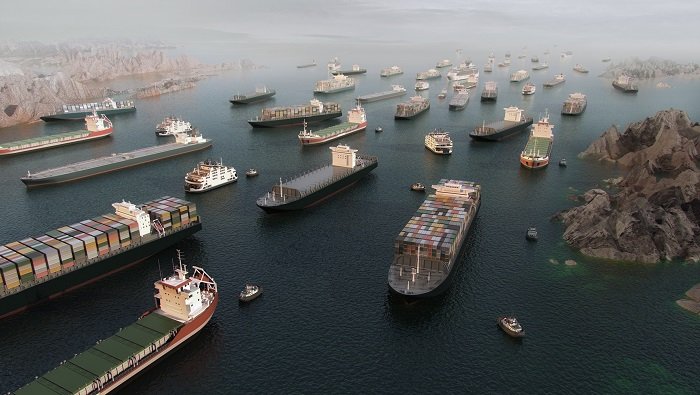
Addressing the continuation of the war in its larger context, Bhushan Yengade, founder of Binder Technology Consultancy, in a recent keynote address in Mumbai, said, “The energy conflict in the Middle East has triggered a ‘systemic collapse’ of the global food supply chain. “Apart from being the world’s most important chokepoint for energy, the Strait of Hormuz,” he said, “is also a vital artery for food. Perishables like fruits and vegetables were/are stuck in shipping containers.” He points out that while the industry sees food loss and waste on the farm and processing side, “the real danger lies in the post-harvest chain. When ships cannot dock, generators run out of fuel, and the cold chain breaks, there is massive wastage before the food even reaches the market. Without consistent power to maintain temperatures, the logistics industry faces an existential crisis that turns premium cargo into bio-hazardous waste within days.
“Approximately 30% of the world’s fertilizer trade passes through Hormuz. India is particularly vulnerable, sourcing 81% of its ammonia – the lifeblood of nitrogen fertilizers – from this route. Because farming follows a strict biological clock, there is a ‘lag effect.’ We do not see the shortage today, but Yengade predicts we will see it in the failed harvests of late 2026. This delay creates a false sense of security; by the time the supermarket shelves are empty, the window to fix the planting season will have already slammed shut.”
Apart from their large populations, China and India are also the largest producers of fruit and vegetables and many protein products in the world. “When the world’s largest producers turn inward, the resulting price spikes will make previous inflation look mild,” he says. “It isn’t just about quantity; it’s about quality. The shortages in petroleum-based packaging materials and the breakdown of refrigerated transport are leading to higher risks of food-borne illnesses. Products are being moved in ‘sub-optimal conditions,’ posing a direct threat to public health. Bacteria do not wait for geopolitical resolutions; as the cold chain falters, the risk of contamination escalates.
Yengade calls for strategic shifts, arguing the global focus must shift from ‘keeping the lights on’ to ‘keeping the world fed.’ This requires a radical decentralization of the food supply and a massive investment in sovereign fertilizer production. If we continue to treat the Hormuz conflict as a mere energy issue, we ignore the growing hunger at the end of the pipeline. The battle for the Strait is no longer just about the price of gas; it is about the security of the next meal.”
Ani Dasgupta, president and CEO, World Resources Institute, in a recent article in the WRI newsletter, also speaks about the need to make systemic improvements in the energy generation to non-fossil sources, better use of fertilizers and food systems. “The Iran conflict is rapidly evolving. We don’t know how long it will last or what future impacts may be in store. But we already know this: It’s imperative to shore up the world’s critical food and energy systems.
“The question is: Will the world’s policymakers move beyond short-term reactions and root out systemic risks through long-term resilience?…..the best path forward is to invest in a more sustainable, diversified and resilient food system. That means making fertilizers more efficient, as Brazil and the UK have already committed to do. It means reducing the demand for fertilizers in the first place by cutting food waste (a whopping 40% of all food produced globally ultimately goes uneaten) and moving away from biofuels, which unnecessarily use land for energy that could be used for growing food.”
IndiFoodBev — authentic, impactful and influential
An English-language food and beverage processing and packaging industry B2B platform in print and web, IndiFoodBev is in its third year of publication. It is said that the Indian food and beverage industries represent approximately US$ 900 billion in revenues which implies more than 20% of the country’s GDP. Eliminating the wastage on the farmside can help to deliver more protein to a higher number of the population apart from generating sizable exports. The savings in soil, seeds, water, fertilizer, energy and ultimately food and nutrition could be the most immense contribution that country is poised to make to the moderation of climate change.
To improve your marketing and grow sales to the food and beverage processing and packaging industry, talk to us. Our research and consulting company IppStar [www.ippstar.org] can assess your potential and addressable markets in light of the competition. We can discuss marketing, communication, and sales strategies for market entry and growth.
Suppliers and service providers with a strategy and budget for targeted marketing can discuss using our hybrid print, web, video, and social media channels to create brand recognition linked to market relevance. Our technical writers are ready to meet you and your customers for content.
The second largest producer of fruit and vegetables in the world is continuously expanding processing capacities and delivery systems with appropriate innovative technologies. We cover product and consumer trends, nutrition, processing, research, equipment and packaging from farm to thali. Get our 2025 media kit and recalibrate your role in this dynamic market. Enhance your visibility and relevance to existing markets and turn potential customers into conversations. Ask for a sample copy of our bi-monthly in print or our weekly IndiFoodBev eZine each Wednesday.
For editorial info@ippgroup.in — for advertisement ads1@ippgroup.in and for subscriptions subscription@ippgroup.in
Naresh Khanna – 10 February 2025
Subscribe Now