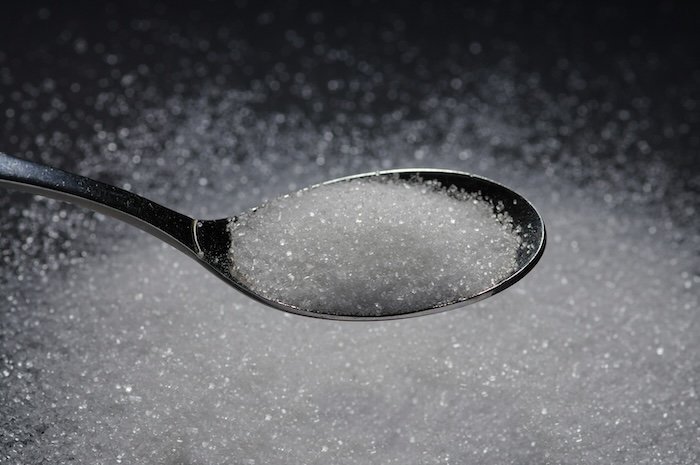
Ex-mill sugar prices have dropped by nearly 20% in recent days, with retail prices now beginning to follow suit, according to a government statement issued this week.

The price decline is the result of a series of measures taken by the government to ensure adequate sugar availability and curb artificial supply tightening, officials noted, adding retail prices typically take time to reflect changes further up the supply chain, and are expected to fall further as the ex-mill price cuts filter down to consumers.
According to the statement, the recent spike in sugar prices was driven largely by hoarding and speculation rather than any genuine shortage, with the country holding comfortable stock levels throughout.
A nationwide physical verification drive found that several sugar mills held larger stockpiles than they had declared in their monthly government filings. The exercise also uncovered instances of mills engaging in “short selling” — supplying less sugar than their allotted quota — a practice the government said artificially squeezed market supply despite healthy stock levels.
The government flagged a pattern in which sugar sold by mills early in the month was not being collected by buyers until month’s end, worsening artificial scarcity. To close this loophole, the government announced it will scrap the existing monthly quota system in favor of a fortnightly allocation model starting in September. Under the new rules, mills must sell at least 40 percent of their allotted quota in the first week, with the remainder due the following week.
The government said the fortnightly system will let it track demand and supply more closely, react faster to market shifts, and release extra quota as needed to keep supplies steady.
Separately, mills have been directed to dispatch all sold sugar within seven days of sale. Combined with the new quota structure, officials said this should speed the movement of sugar from mills to dealers to consumers while discouraging speculative stockpiling. Bulk buyers were also urged not to stock sugar beyond their actual operational needs.
New crushing season
The press release pointed to the upcoming sugarcane crushing season, set to begin 15 October, as a further boost to supply. More than 10 lakh metric tons (LMT) of sugar are expected to be produced in October alone, with mills permitted to sell that output without restriction so it reaches the market quickly. November production is projected to reach around 45 LMT.
In Karnataka and Maharashtra, mills that begin operations early are expected to contribute roughly 2 LMT during September.
The government reiterated that there is no sugar shortage in the country and pledged continued action to keep supplies steady and prices reasonable, particularly as the festive season approaches.
IndiFoodBev — authentic, impactful and influential
An English-language food and beverage processing and packaging industry B2B platform in print and web, IndiFoodBev is in its third year of publication. It is said that the Indian food and beverage industries represent approximately US$ 900 billion in revenues which implies more than 20% of the country’s GDP. Eliminating the wastage on the farmside can help to deliver more protein to a higher number of the population apart from generating sizable exports. The savings in soil, seeds, water, fertilizer, energy and ultimately food and nutrition could be the most immense contribution that country is poised to make to the moderation of climate change.
To improve your marketing and grow sales to the food and beverage processing and packaging industry, talk to us. Our research and consulting company IppStar [www.ippstar.org] can assess your potential and addressable markets in light of the competition. We can discuss marketing, communication, and sales strategies for market entry and growth.
Suppliers and service providers with a strategy and budget for targeted marketing can discuss using our hybrid print, web, video, and social media channels to create brand recognition linked to market relevance. Our technical writers are ready to meet you and your customers for content.
The second largest producer of fruit and vegetables in the world is continuously expanding processing capacities and delivery systems with appropriate innovative technologies. We cover product and consumer trends, nutrition, processing, research, equipment and packaging from farm to thali. Get our 2025 media kit and recalibrate your role in this dynamic market. Enhance your visibility and relevance to existing markets and turn potential customers into conversations. Ask for a sample copy of our bi-monthly in print or our weekly IndiFoodBev eZine each Wednesday.
For editorial info@ippgroup.in — for advertisement ads1@ippgroup.in and for subscriptions subscription@ippgroup.in
Naresh Khanna – 10 February 2025
Subscribe Now