Established in 1999, Sula Vineyards, a leading Indian winery based in Nashik, combines traditional winemaking expertise with modern vineyard and winery practices to continuously enhance wine quality and expression.

This includes the use of microclimate monitoring systems to track vineyard conditions and optimize grape quality, as well as precision drip irrigation techniques that improve water efficiency and support sustainable viticulture.
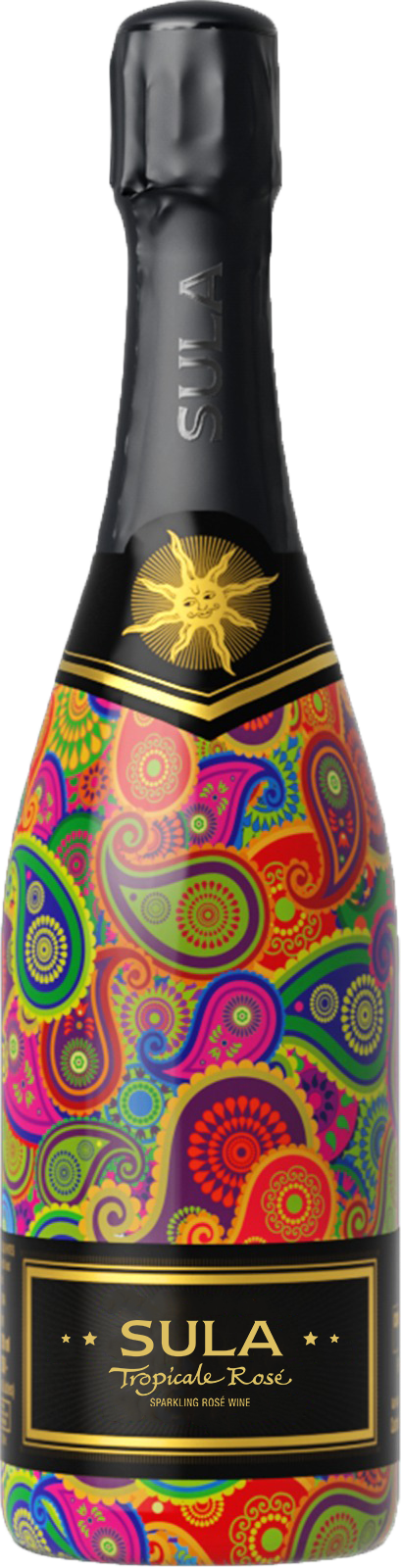
Sula also continues to experiment with different grape varietals and wine styles to broaden its portfolio and cater to evolving consumer preferences. In winery, carefully managed oak barrel ageing programs help develop greater complexity, structure, and character across select wines.
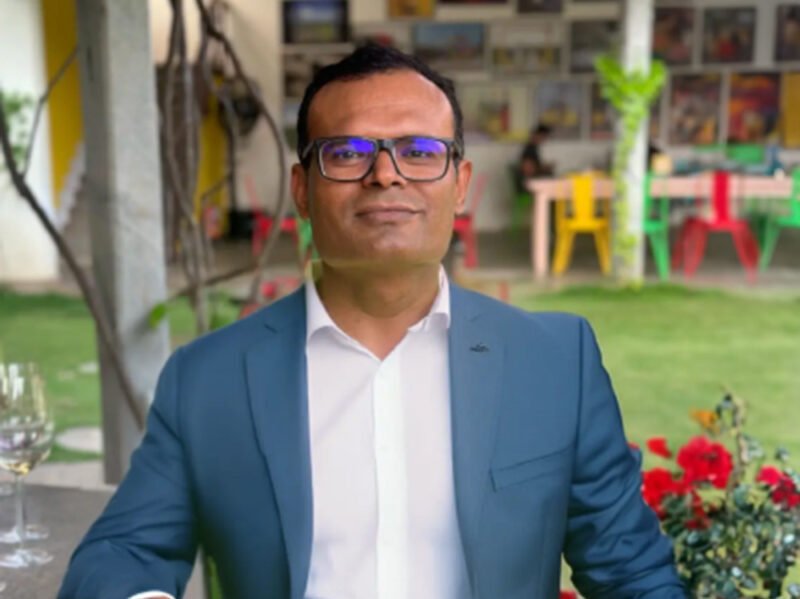
Talking to IndiFoodBev, Gorakh Gaikwad, chief operating officer and chief winemaker at Sula Vineyards, explains, “Winemaking is a unique combination of science, agriculture, and craftsmanship. It begins in the vineyard, where decisions around grape variety, canopy management, irrigation, and harvest timing play a critical role. Once the grapes reach the winery, scientific precision guides fermentation, maturation, and quality control. Winemakers rely on experience, intuition, and creativity when making decisions about blending, ageing, and style. The result is a wine that reflects both the characteristics of the vintage and the vision of the winemaking team.”
Sula’s ageing and maturation approach varies depending on the wine style and desired expression. White wines are generally crafted to be enjoyed young, preserving their freshness, fruit character, and natural acidity. Premium red wines, such as RĀSĀ Cabernet Sauvignon, undergo oak barrel ageing to develop greater complexity, structure, and depth, he says.
Sparkling wines are produced using methods that retain freshness and vibrancy, while wines in reserve and premium collections typically benefit from extended maturation to enhance richness, texture, and overall balance.
Sula’s vineyards benefit from a combination of climate, altitude, and soil conditions that contribute significantly to wine quality. Located at approximately 600 meters above sea level, the vineyards experience warm days that promote ripeness and cooler nights that help retain acidity and freshness.
The region’s diverse soils, including red laterite, light soils, and clay, contribute varying levels of structure, minerality, and complexity. Within Maharashtra, the Dindori region is particularly well-suited for varieties such as Chenin Blanc, Sauvignon Blanc, Syrah, and Zinfandel, while parts of southern Maharashtra are favorable for Cabernet Sauvignon and other red varietals, he states.
Consumer trends and tastes
When Sula was founded over 25 years ago, wine was still a niche category in India, with limited awareness and availability. Over the years, consumers have become more informed, well-travelled, and open to exploring new experiences. Wine is increasingly being viewed as a lifestyle choice that complements food, social occasions, and celebrations.
On the growing adoption of wine in India, Gaikwad says consumers today are looking for wines that are approachable, versatile, and suitable for a wider range of occasions.
“Sparkling wines are associated with celebrations and everyday moments, while rosé wines appeal through their freshness, fruit-forward character, and easy drinkability. Dessert and sweeter-style wines are gaining popularity as consumers get more adventurous and explore different flavors.
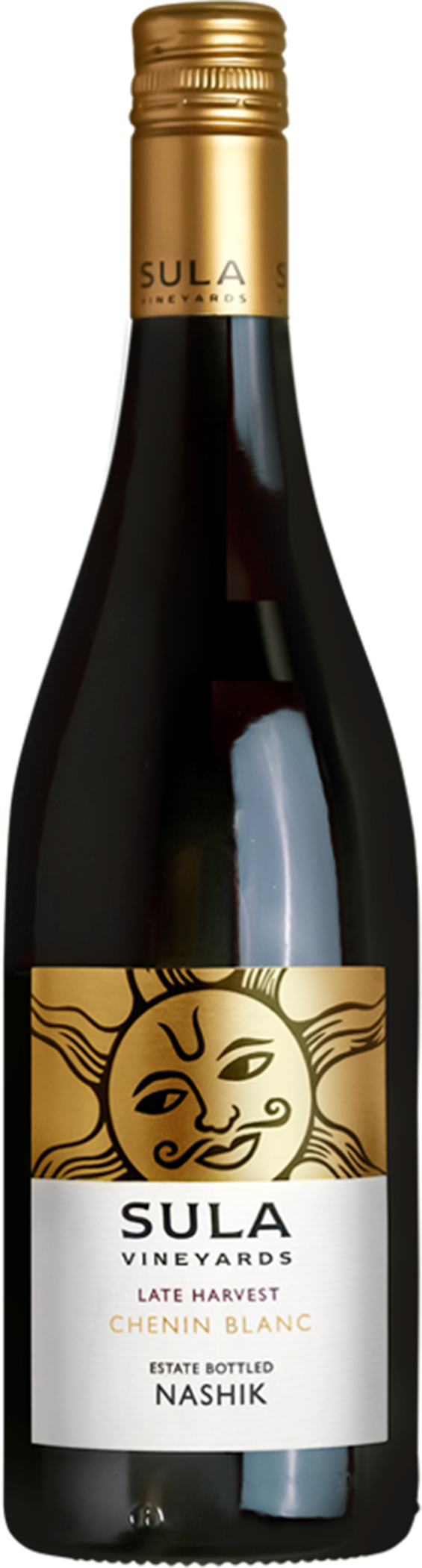
“Wines such as Sula Muscat, The Source Moscato, and Late Harvest Chenin Blanc have helped introduce consumers to aromatic, fruit-forward, and naturally sweeter styles that are approachable and enjoyable, especially for those new to wine. These wines pair well with a variety of Indian cuisines and desserts, making them particularly relevant to local consumption occasions. Overall, the trend reflects a growing willingness among Indian consumers to experiment, discover different wine styles, and enjoy wine across a broader range of occasions than ever before.”
For understanding tasting notes and food pairings in wine, the most important rule is that there are no rules. Wine appreciation is ultimately personal. Consumers should focus on discovering what they enjoy rather than worrying about finding the right answer.
When it comes to tasting notes, it helps to pay attention to aromas, flavors, texture, acidity, and overall balance. For food pairings, a good starting point is to match the intensity of the wine with the intensity of the dish. Most importantly, experimentation and curiosity are the best ways to develop confidence and enjoyment.
Sula’s sustainable winemaking
The company’s sustainable approach combines modern vineyard practices with responsible farming methods that optimize resource use while protecting the environment. Precision irrigation techniques help conserve water and improve vineyard efficiency, while ongoing efforts to maintain soil health and minimize unnecessary inputs support long-term vineyard sustainability.
It also incorporates recycling and composting practices within its operations and adapts vineyard management techniques, including pruning and harvest timing, to respond to changing climatic conditions while preserving grape quality and vineyard health.
“Sustainability remains a key focus across our operations,” he adds. “Our initiatives include extensive rainwater harvesting, reservoir management, and recycling of treated water to reduce freshwater consumption. More than 60% of our winery operations are powered by solar energy, helping lower our environmental footprint. We have committed to a long-term goal of achieving net zero emissions by 2050. Additional efforts include the use of lightweight bottles, local sourcing wherever possible, and initiatives that support education, livelihoods, and community development in the regions where we operate.”
“Our vision is to continue leading the growth of Indian wine while helping establish India as a respected wine-producing nation globally. We want to make wine more accessible and relevant to a broader audience, while continuing to elevate quality, innovation, and wine tourism experiences. For the industry as a whole, we hope to see greater awareness, wider consumption, stronger vineyard and winemaking capabilities, and increased global recognition for Indian wines. Success for Sula is closely linked to the success of the Indian wine category itself,” he concludes.
IndiFoodBev — authentic, impactful and influential
An English-language food and beverage processing and packaging industry B2B platform in print and web, IndiFoodBev is in its third year of publication. It is said that the Indian food and beverage industries represent approximately US$ 900 billion in revenues which implies more than 20% of the country’s GDP. Eliminating the wastage on the farmside can help to deliver more protein to a higher number of the population apart from generating sizable exports. The savings in soil, seeds, water, fertilizer, energy and ultimately food and nutrition could be the most immense contribution that country is poised to make to the moderation of climate change.
To improve your marketing and grow sales to the food and beverage processing and packaging industry, talk to us. Our research and consulting company IppStar [www.ippstar.org] can assess your potential and addressable markets in light of the competition. We can discuss marketing, communication, and sales strategies for market entry and growth.
Suppliers and service providers with a strategy and budget for targeted marketing can discuss using our hybrid print, web, video, and social media channels to create brand recognition linked to market relevance. Our technical writers are ready to meet you and your customers for content.
The second largest producer of fruit and vegetables in the world is continuously expanding processing capacities and delivery systems with appropriate innovative technologies. We cover product and consumer trends, nutrition, processing, research, equipment and packaging from farm to thali. Get our 2025 media kit and recalibrate your role in this dynamic market. Enhance your visibility and relevance to existing markets and turn potential customers into conversations. Ask for a sample copy of our bi-monthly in print or our weekly IndiFoodBev eZine each Wednesday.
For editorial info@ippgroup.in — for advertisement ads1@ippgroup.in and for subscriptions subscription@ippgroup.in
Naresh Khanna – 10 February 2025
Subscribe Now