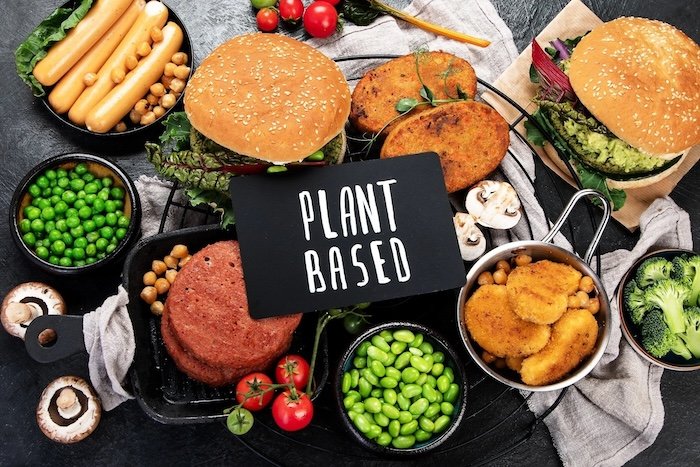
Expansion of the global plant-based food sector into a new phase of evolution, driven less by novelty and more by authenticity, nutritional value, affordability, and consumer trust was the thrust of a recent webinar organized by FI Global Insights.

Experts explored the opportunities and challenges shaping the next chapter of plant-based innovation at the webinar themed ‘Plant-based 2.0: Scaling Taste, Impact & Accessibility’.
Opening the session, Francesca Berry, head of content programming at FI Global Insights, noted that the sector stood “at a pivotal moment,” as consumer expectations continue to evolve. Once driven largely by novelty and perceived health benefits, plant-based foods are now under greater scrutiny, particularly around ingredient transparency, taste, and nutritional performance.
According to Radhika Sekaria, senior content producer at FI Global Insights, two major shifts are redefining the category: the growing demand for clean-label products and increasing emphasis on protein quality and fiber. “Consumers are moving toward shorter ingredient lists, non-GMO formulations, no artificial claims, alongside a renewed focus on whole food ingredients,” she explained, attributing this shift partly to rising concerns around ultra-processed foods.
The nutritional narrative around plant-based foods remains nuanced, Sekaria said. Pointing to a study by the London School of Hygiene and Tropical Medicine, she said replacing processed meat with plant-based alternatives can increase fiber intake, reduce saturated fat, and lower salt consumption, despite many products technically falling into the ultra-processed category.
Delivering the keynote presentation, Caroline Efforsat of Innova Market Insights pointed out that the plant-based market is not declining but recalibrating. “Plant-based is absolutely not disappearing, but growth is shifting towards key criteria such as naturalness, nutrition, and relevance to everyday eating,” she said.
According to Caroline, the slowdown in new product launches does not indicate weakening demand but rather reflects a market maturing beyond hype. She observed that innovation is increasingly moving beyond traditional meat and dairy alternatives into everyday categories such as bakery, cereals, and ready meals.
“What we see is that the category is moving from hype towards consolidation. Brands cannot rely on novelty alone anymore,” she explained. “Consumers are asking, does it taste good, is it affordable, does it fit into my routine, and do I trust the ingredients?”
The discussion explored the widening intention-action gap among consumers. Indy Kaur, founder and CEO of Plant Futures, shared findings from UK-based behavioral studies showing that while nearly 70% of consumers express interest in dietary change, many struggle to translate intention into actual purchasing behavior.
“Most people are conflicted and need reassurance,” Kaur explained. “They want food that tastes great, fills them up, supports their health goals, and fits seamlessly into family routines.”
Kaur segmented consumers into flexitarians, open omnivores, and closed omnivores, arguing that the largest growth opportunity lies with mainstream consumers rather than committed vegans or vegetarians. According to her, success will depend on moving beyond niche messaging toward everyday appeal. “The mass market is not looking for meat-free framing,” she said. “They’re looking for taste, nutrition, familiar meals, clear protein signals, satisfying food, and ease.”
To address this behavioral challenge, Plant Futures launched the ‘Meat Free Made Easy’ campaign in the UK, bringing together brands, retailers, and stakeholders to normalize plant-based eating through practical meal inspiration and collaborative storytelling. Within months, the campaign reached more than one million consumers organically through social media and retail partnerships.
The webinar touched upon hybrid products combining plant-based and animal proteins, fermentation-derived proteins, fiber-rich formulations, and the potential role of plant-based nutrition in supporting emerging dietary trends linked to GLP-1 medications.
Despite concerns surrounding ultra-processing, both speakers agreed education and transparency will play a crucial role in shaping consumer trust. Kaur stressed that plant-based brands must improve storytelling around ingredients and processing technologies. “The processing is enabling; there’s a positive side to it,” she said, while advocating for clearer consumer communication.
Looking ahead, speakers agreed that the future of plant-based foods will be shaped by trust, taste, affordability, and nutritional functionality. Rather than positioning products solely as substitutes for meat and dairy, the next wave of innovation may focus on creating desirable food experiences in their own right.
As Caroline concluded, “The next phase of plant-based success will come from meaningful solutions that make plant-based relevant in the everyday lives of consumers.”
IndiFoodBev — authentic, impactful and influential
An English-language food and beverage processing and packaging industry B2B platform in print and web, IndiFoodBev is in its third year of publication. It is said that the Indian food and beverage industries represent approximately US$ 900 billion in revenues which implies more than 20% of the country’s GDP. Eliminating the wastage on the farmside can help to deliver more protein to a higher number of the population apart from generating sizable exports. The savings in soil, seeds, water, fertilizer, energy and ultimately food and nutrition could be the most immense contribution that country is poised to make to the moderation of climate change.
To improve your marketing and grow sales to the food and beverage processing and packaging industry, talk to us. Our research and consulting company IppStar [www.ippstar.org] can assess your potential and addressable markets in light of the competition. We can discuss marketing, communication, and sales strategies for market entry and growth.
Suppliers and service providers with a strategy and budget for targeted marketing can discuss using our hybrid print, web, video, and social media channels to create brand recognition linked to market relevance. Our technical writers are ready to meet you and your customers for content.
The second largest producer of fruit and vegetables in the world is continuously expanding processing capacities and delivery systems with appropriate innovative technologies. We cover product and consumer trends, nutrition, processing, research, equipment and packaging from farm to thali. Get our 2025 media kit and recalibrate your role in this dynamic market. Enhance your visibility and relevance to existing markets and turn potential customers into conversations. Ask for a sample copy of our bi-monthly in print or our weekly IndiFoodBev eZine each Wednesday.
For editorial info@ippgroup.in — for advertisement ads1@ippgroup.in and for subscriptions subscription@ippgroup.in
Naresh Khanna – 10 February 2025
Subscribe Now