Food processors today are under increasing pressure to deliver products that are not only safe and fresh, but also visually appealing and differentiated on the shelf. Packaging is seen as a critical part of this equation—but food brands still face persistent challenges that limit both product performance and brand growth.
One of the most common pain points is shelf life extension. Without the right packaging method, products are vulnerable to oxygen exposure, microbial growth, and rapid deterioration. This is particularly critical for protein-based foods such as meat and seafood, where freshness directly impacts consumer trust and product value.
Another issue is leakage, especially in products with natural moisture or added liquids. Poor sealing not only affects hygiene and transportation but also damages brand reputation at the retail level.
Finally, many processors struggle with lack of customization. Standardized packaging formats often fail to reflect brand identity or meet the diverse requirements of modern retail channels. As competition intensifies, differentiation through packaging design, format, and functionality is no longer optional—it is essential. This is where solution providers such as Utien Pack contribute by offering tailored packaging systems that align packaging performance with specific product and market needs.
Packaging solutions for meat processing
For fresh meat products such as beef, pork, and poultry, maintaining color, smell, and freshness throughout the supply chain is critical. Consumers often associate bright color with freshness, making packaging technology a key factor in purchasing decisions.
Vacuum packaging remains widely used, particularly for frozen meat products, as it effectively removes air and slows down oxidation. However, for fresh meat applications, more advanced technologies such as Modified Atmosphere Packaging (MAP) and vacuum skin packaging (VSP) are increasingly preferred. These methods help preserve the natural appearance of the meat while extending shelf life.
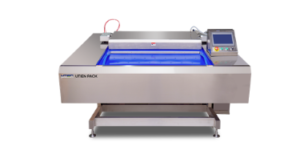
From an equipment perspective, processors can choose based on their production scale and level of automation. Standalone vacuum packaging machines offer a cost-effective entry point, while more advanced systems such as thermoforming packaging machine and tray sealing machine enable higher output and better consistency. These systems also support integration with automation modules, improving efficiency across the entire production line. Companies like Utien Pack have increasingly focused on delivering customized meat packaging machines that match specific meat processing requirements, from small-batch operations to fully automated lines.
Packaging solutions for seafood processing
Seafood packaging presents an even greater challenge, as freshness is extremely time-sensitive and directly linked to product value. High-end products such as salmon and shrimp require packaging that not only protects but also enhances presentation.
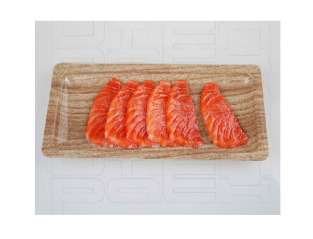
Vacuum skin packaging (VSP) has become a widely adopted solution in this segment. By tightly conforming the film to the product surface, it minimizes movement, reduces drip loss, and creates a premium, transparent appearance that appeals to consumers. This method is particularly effective for showcasing high-value seafood while extending shelf life.
For operations handling multiple SKUs and varying portion sizes, tray sealing machines offer flexibility and quick format changes, making them ideal for retail-ready packaging. Meanwhile, thermoforming packaging machines are more suitable for large-scale production, where efficiency, consistency, and material optimization are essential. These systems support a wide range of packaging formats, including vacuum, MAP, and skin packaging, enabling processors to adapt to different product requirements with ease.
Conclusion
As food processors navigate increasingly complex market demands, packaging is no longer just a protective layer—it is a strategic tool. Addressing challenges such as shelf life, leakage, and lack of differentiation requires a combination of the right packaging technologies and the right equipment.
By aligning packaging methods—such as vacuum, MAP, and VSP—with suitable machinery solutions, processors can enhance product quality, improve operational efficiency, and strengthen their position in competitive markets. Customized approaches, supported by experienced solution providers, will continue to play a key role in shaping the future of food packaging.
IndiFoodBev — authentic, impactful and influential
An English-language food and beverage processing and packaging industry B2B platform in print and web, IndiFoodBev is in its third year of publication. It is said that the Indian food and beverage industries represent approximately US$ 900 billion in revenues which implies more than 20% of the country’s GDP. Eliminating the wastage on the farmside can help to deliver more protein to a higher number of the population apart from generating sizable exports. The savings in soil, seeds, water, fertilizer, energy and ultimately food and nutrition could be the most immense contribution that country is poised to make to the moderation of climate change.
To improve your marketing and grow sales to the food and beverage processing and packaging industry, talk to us. Our research and consulting company IppStar [www.ippstar.org] can assess your potential and addressable markets in light of the competition. We can discuss marketing, communication, and sales strategies for market entry and growth.
Suppliers and service providers with a strategy and budget for targeted marketing can discuss using our hybrid print, web, video, and social media channels to create brand recognition linked to market relevance. Our technical writers are ready to meet you and your customers for content.
The second largest producer of fruit and vegetables in the world is continuously expanding processing capacities and delivery systems with appropriate innovative technologies. We cover product and consumer trends, nutrition, processing, research, equipment and packaging from farm to thali. Get our 2025 media kit and recalibrate your role in this dynamic market. Enhance your visibility and relevance to existing markets and turn potential customers into conversations. Ask for a sample copy of our bi-monthly in print or our weekly IndiFoodBev eZine each Wednesday.
For editorial info@ippgroup.in — for advertisement ads1@ippgroup.in and for subscriptions subscription@ippgroup.in
Naresh Khanna – 10 February 2025
Subscribe Now