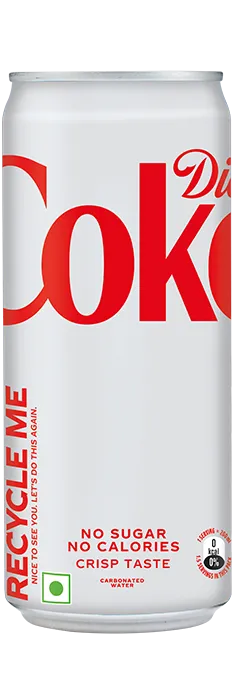
The recent shortage of Diet Coke in India is an unexpected fallout of the ongoing Middle East conflict, underlining deeper fragility in global supply chains, SupplyChain Digital reported.
While disruptions linked to the conflict have largely focused on oil and gas flows, the report noted that constraints in industrial materials, particularly aluminum, are now surfacing as a critical pressure point. The Gulf region accounts for roughly 9% of global aluminum production, and disruptions to shipping routes have tightened supply, SupplyChain Digital said.
In India, this has translated into limited availability of Diet Coke, not due to demand or ingredient shortages, but because of a lack of aluminum cans. Supply bottlenecks have delayed shipments, forcing The Coca-Cola Company to manage distribution more tightly and prioritize stock allocation.
The report pointed out that the issue is amplified by the product’s heavy reliance on a single packaging format. Unlike many beverages in India, Diet Coke is predominantly sold in cans, with minimal presence in PET bottles or glass alternatives. This dependence has made the product particularly vulnerable to disruptions in aluminum supply.
India remains a key growth market for The Coca-Cola Company, with sales reaching around USD 533 million in FY25, according to Reuters.
The aluminum squeeze has been described by market participants as unusually severe. A commodities analyst cited in the report said the scale of disruption is unprecedented in recent decades, effectively amounting to a rare, large-scale supply shock. Another market specialist noted it is difficult to recall a comparable disruption in the metals market, SupplyChain Digital added.
Beyond beverages, the episode highlights broader structural issues in supply chains. Over the past decade, many companies streamlined operations to cut costs, often reducing complexity in sourcing and packaging. While this improves efficiency, it can remove buffers that help absorb shocks.
The aluminum shortage demonstrates how disruption in one region can ripple across global networks, affecting industries ranging from food packaging to personal care. As companies compete for constrained supplies, input costs rise and delivery timelines stretch, creating additional strain across value chains.
The report suggested that businesses may need to reassess their approach to supply chain design, balancing efficiency with resilience. Options such as diversifying suppliers, adopting multiple packaging formats and building contingency into sourcing strategies are increasingly being considered.
Industry leaders had already warned of vulnerabilities in aluminum supply chains even before the current conflict. Executives noted earlier that the system was operating with limited slack, meaning even minor disruptions could trigger wider production impacts.
While the Diet Coke shortage in India may prove temporary, SupplyChain Digital stressed that it serves as a clear example of how reliance on a single material or format can create critical points of failure. As geopolitical risks persist, companies that build flexibility into their operations are likely to be better positioned to withstand future disruptions.
IndiFoodBev — authentic, impactful and influential
An English-language food and beverage processing and packaging industry B2B platform in print and web, IndiFoodBev is in its third year of publication. It is said that the Indian food and beverage industries represent approximately US$ 900 billion in revenues which implies more than 20% of the country’s GDP. Eliminating the wastage on the farmside can help to deliver more protein to a higher number of the population apart from generating sizable exports. The savings in soil, seeds, water, fertilizer, energy and ultimately food and nutrition could be the most immense contribution that country is poised to make to the moderation of climate change.
To improve your marketing and grow sales to the food and beverage processing and packaging industry, talk to us. Our research and consulting company IppStar [www.ippstar.org] can assess your potential and addressable markets in light of the competition. We can discuss marketing, communication, and sales strategies for market entry and growth.
Suppliers and service providers with a strategy and budget for targeted marketing can discuss using our hybrid print, web, video, and social media channels to create brand recognition linked to market relevance. Our technical writers are ready to meet you and your customers for content.
The second largest producer of fruit and vegetables in the world is continuously expanding processing capacities and delivery systems with appropriate innovative technologies. We cover product and consumer trends, nutrition, processing, research, equipment and packaging from farm to thali. Get our 2025 media kit and recalibrate your role in this dynamic market. Enhance your visibility and relevance to existing markets and turn potential customers into conversations. Ask for a sample copy of our bi-monthly in print or our weekly IndiFoodBev eZine each Wednesday.
For editorial info@ippgroup.in — for advertisement ads1@ippgroup.in and for subscriptions subscription@ippgroup.in
Naresh Khanna – 10 February 2025
Subscribe Now