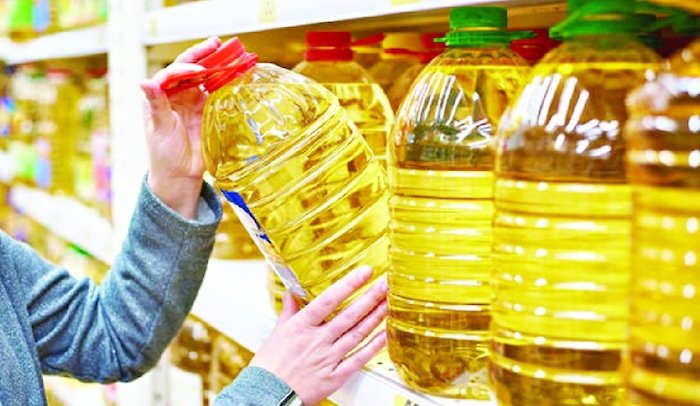
The Indian Vegetable Oil Producers’ Association (IVPA) has asked its members to bring down retail edible oil prices. In a media statement dated 5 October 2026, president Sudhakar Desai called on manufacturers to hand the full gain from the government’s latest import duty reductions to consumers. Members must also send revised retail price lists to the government each week, allowing prices to be tracked openly, media reports stated.
The appeal comes after the central government cut basic customs duties on crude and refined edible oils from 24 September 2026. The step was meant to cool inflation, which reached 4.8% in August 2026 as global oil markets swung unpredictably.
In crude sunflower oil, customs duties have been lowered from 10% cut to zero, in crude palm and soybean oil, it has been lowered from 10% to 5%, and then 22.5% from 32.5% in refined sunflower oil and in refined palm and soybean oil, the duty has been cut from 32.5% to 27.5%.
Cooking oil consumption surges from September to November, driven by home kitchens, sweet and snack producers, food processors, and the hotel, restaurant and catering trade. Cheaper landed imports should steady the domestic refining sector and offer families quick relief during the festive period.
Desai explained that international edible oil prices have stayed elevated because of geopolitical tensions, adverse weather, and tighter supplies, with more vegetable oil being channeled into biofuel production. These pressures, he said, have worsened domestic inflation and squeezed household finances, so the duty cut should provide meaningful relief to buyers.
He said the association has written to members, asking them to lower retail prices in proportion to the duty cuts and to submit weekly price lists to the government.
IndiFoodBev — authentic, impactful and influential
An English-language food and beverage processing and packaging industry B2B platform in print and web, IndiFoodBev is in its third year of publication. It is said that the Indian food and beverage industries represent approximately US$ 900 billion in revenues which implies more than 20% of the country’s GDP. Eliminating the wastage on the farmside can help to deliver more protein to a higher number of the population apart from generating sizable exports. The savings in soil, seeds, water, fertilizer, energy and ultimately food and nutrition could be the most immense contribution that country is poised to make to the moderation of climate change.
To improve your marketing and grow sales to the food and beverage processing and packaging industry, talk to us. Our research and consulting company IppStar [www.ippstar.org] can assess your potential and addressable markets in light of the competition. We can discuss marketing, communication, and sales strategies for market entry and growth.
Suppliers and service providers with a strategy and budget for targeted marketing can discuss using our hybrid print, web, video, and social media channels to create brand recognition linked to market relevance. Our technical writers are ready to meet you and your customers for content.
The second largest producer of fruit and vegetables in the world is continuously expanding processing capacities and delivery systems with appropriate innovative technologies. We cover product and consumer trends, nutrition, processing, research, equipment and packaging from farm to thali. Get our 2025 media kit and recalibrate your role in this dynamic market. Enhance your visibility and relevance to existing markets and turn potential customers into conversations. Ask for a sample copy of our bi-monthly in print or our weekly IndiFoodBev eZine each Wednesday.
For editorial info@ippgroup.in — for advertisement ads1@ippgroup.in and for subscriptions subscription@ippgroup.in
Naresh Khanna – 10 February 2025
Subscribe Now