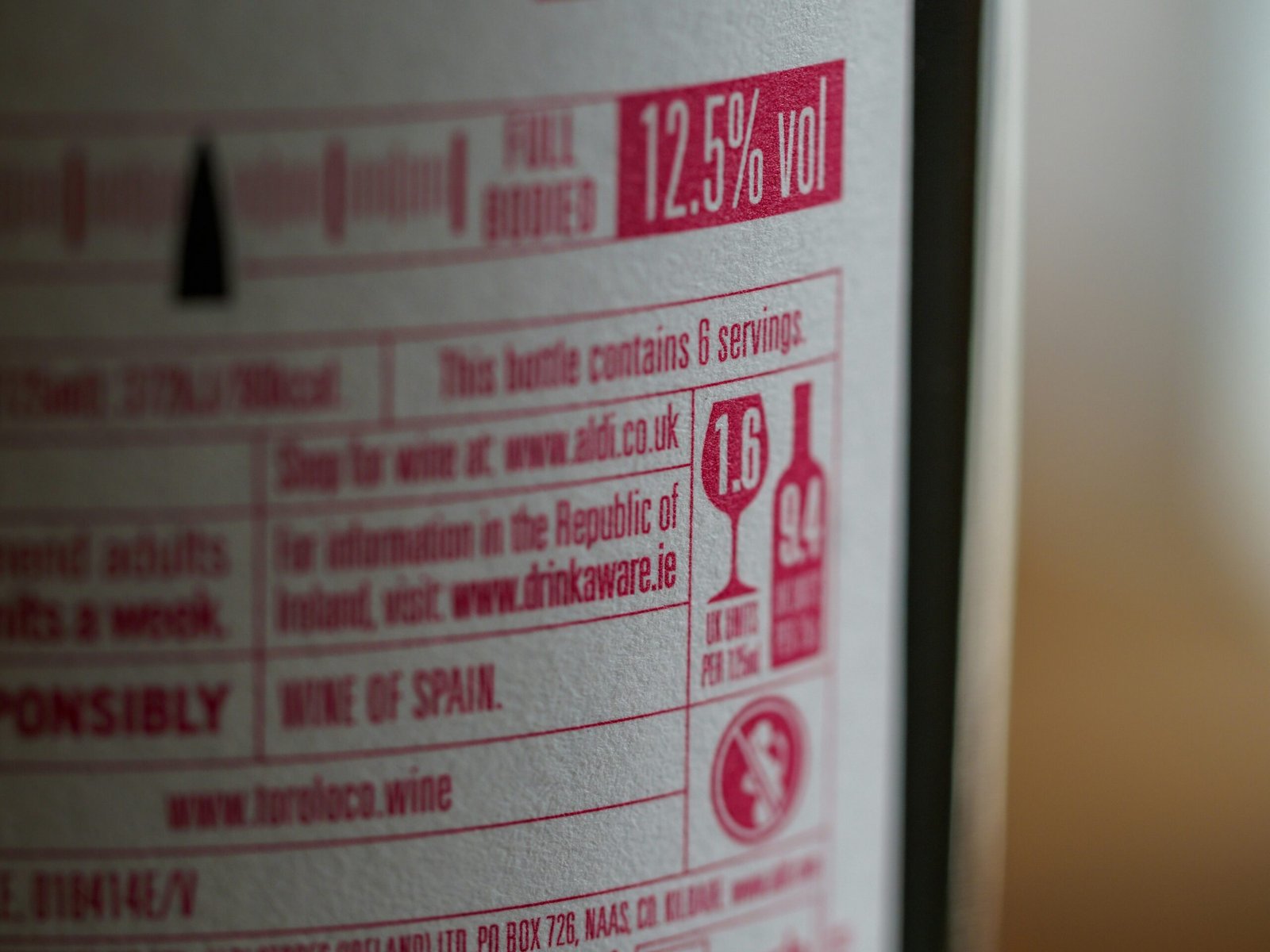
The Supreme Court of India has given the Food Safety and Standards Authority of India (FSSAI) a dressing down over the delay in implementing mandatory front-of-pack warning labels for foods high in sugar, salt, and fat, media reports stated.

Giving the center and FSSAI a final two-week deadline to submit a concrete decision on the issue, a bench comprising Justices JB Pardiwala and KV Viswanathan warned, “This is your last chance. Next time we will dictate the judgment.”
“Why? You don’t want people of this country to remain healthy? More particularly growing children?” the court asked.
The development follows a public interest litigation (PIL) filed by 3S and Our Health Society, seeking stronger measures to address the growing burden of lifestyle-related diseases such as diabetes and obesity.
The push for labels
Putting public health first, the court questioned the regulator’s approach, asking, “You don’t want people of this country to remain healthy? More particularly growing children?”
The bench expressed concern that commercial interests could be taking precedence over public health. While manufacturers may fear an impact on sales, the court emphasized that consumers have a right to understand what they are eating.
Questioning FSSAI’s alternative proposal of displaying numerical daily limits, the court indicated that requiring consumers to calculate percentages at the point of purchase may not be effective, particularly given differences in literacy and health awareness. The court has instead pushed for clear, interpretive front-of-pack warnings, such as prominent symbols indicating high levels of sugar, salt, or fat.
Why FSSAI is hesitant
The central government and FSSAI, represented by additional solicitor General Brijender Chahar, have pointed to several concerns about adopting stricter warning-label requirements.
Impact on traditional foods: Strict thresholds based on international standards could result in many commonly consumed Indian foods, including namkeen, carrying prominent warning labels.
Economic concerns for MSMEs: The government argues that the potential impact on small businesses, noting that traditional foods represent a significant share of MSME revenue.
The FSSAI has previously considered approaches such as the Indian Nutrition Rating (INR) star system and numerical nutrition information. Health advocates have criticized these approaches as less immediately understandable than prominent warning labels.
The Supreme Court’s latest intervention puts renewed pressure on the Centre and FSSAI to decide whether India should adopt mandatory, easy-to-understand front-of-pack warning labels for foods high in sugar, salt, and fat, balancing public-health concerns with the potential impact on food manufacturers and MSMEs.
IndiFoodBev — authentic, impactful and influential
An English-language food and beverage processing and packaging industry B2B platform in print and web, IndiFoodBev is in its third year of publication. It is said that the Indian food and beverage industries represent approximately US$ 900 billion in revenues which implies more than 20% of the country’s GDP. Eliminating the wastage on the farmside can help to deliver more protein to a higher number of the population apart from generating sizable exports. The savings in soil, seeds, water, fertilizer, energy and ultimately food and nutrition could be the most immense contribution that country is poised to make to the moderation of climate change.
To improve your marketing and grow sales to the food and beverage processing and packaging industry, talk to us. Our research and consulting company IppStar [www.ippstar.org] can assess your potential and addressable markets in light of the competition. We can discuss marketing, communication, and sales strategies for market entry and growth.
Suppliers and service providers with a strategy and budget for targeted marketing can discuss using our hybrid print, web, video, and social media channels to create brand recognition linked to market relevance. Our technical writers are ready to meet you and your customers for content.
The second largest producer of fruit and vegetables in the world is continuously expanding processing capacities and delivery systems with appropriate innovative technologies. We cover product and consumer trends, nutrition, processing, research, equipment and packaging from farm to thali. Get our 2025 media kit and recalibrate your role in this dynamic market. Enhance your visibility and relevance to existing markets and turn potential customers into conversations. Ask for a sample copy of our bi-monthly in print or our weekly IndiFoodBev eZine each Wednesday.
For editorial info@ippgroup.in — for advertisement ads1@ippgroup.in and for subscriptions subscription@ippgroup.in
Naresh Khanna – 10 February 2025
Subscribe Now